Introduction to the Sciences of Complexity, CeDOC
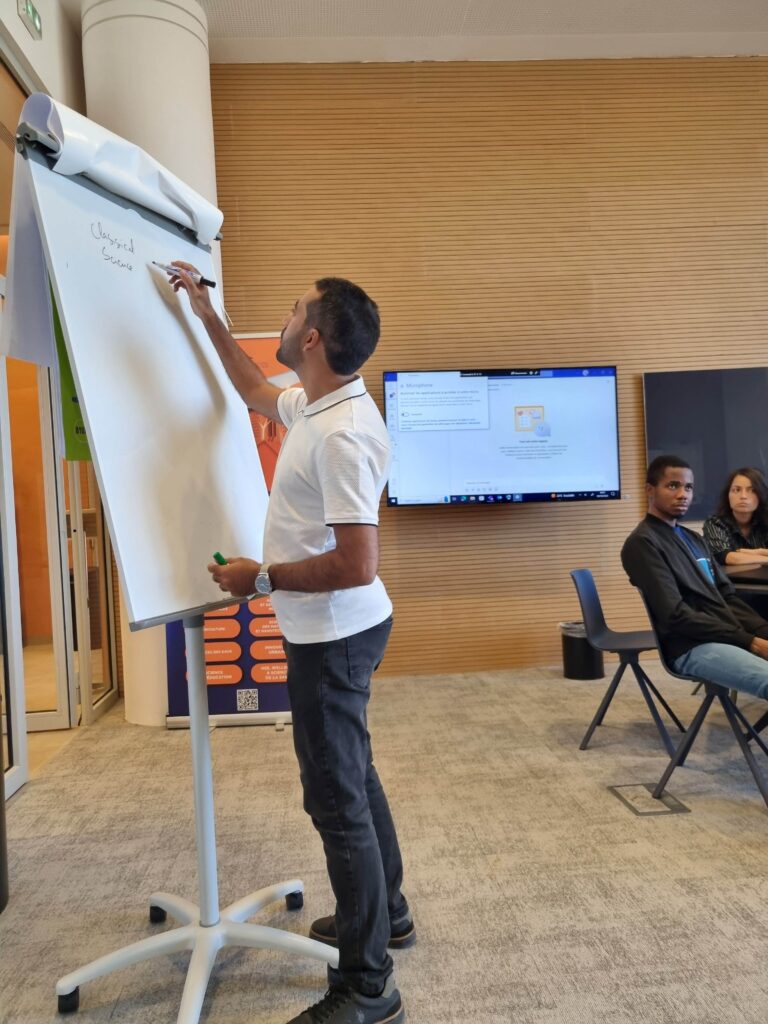 This biannual course for doctoral students is designed to explore the intricate nature of complex systems, focusing on the idea that the whole is more than the sum of its parts. Rooted in disciplines like mathematics, physics, and biology and spanning various fields, the course exposes students to non-linear sciences. It aims to equip participants to understand chaotic, unpredictable, and emergent dynamics that challenge traditional methods. By the end, students will have insights into chaos theory, fractal geometry, self-organization, and emergent properties, developing a new conceptual framework for their research. The course includes lectures, expert interactions, literature reviews, and online resources, encouraging students to apply these concepts to their research and understand the complexity of economic, social, cultural, technological, and natural environments. Topics include emergence, turbulence, swarm intelligence, and societal implications of complexity science.
Complexity Seminar, A Deep Dive into the Sciences of Complexity, ABS
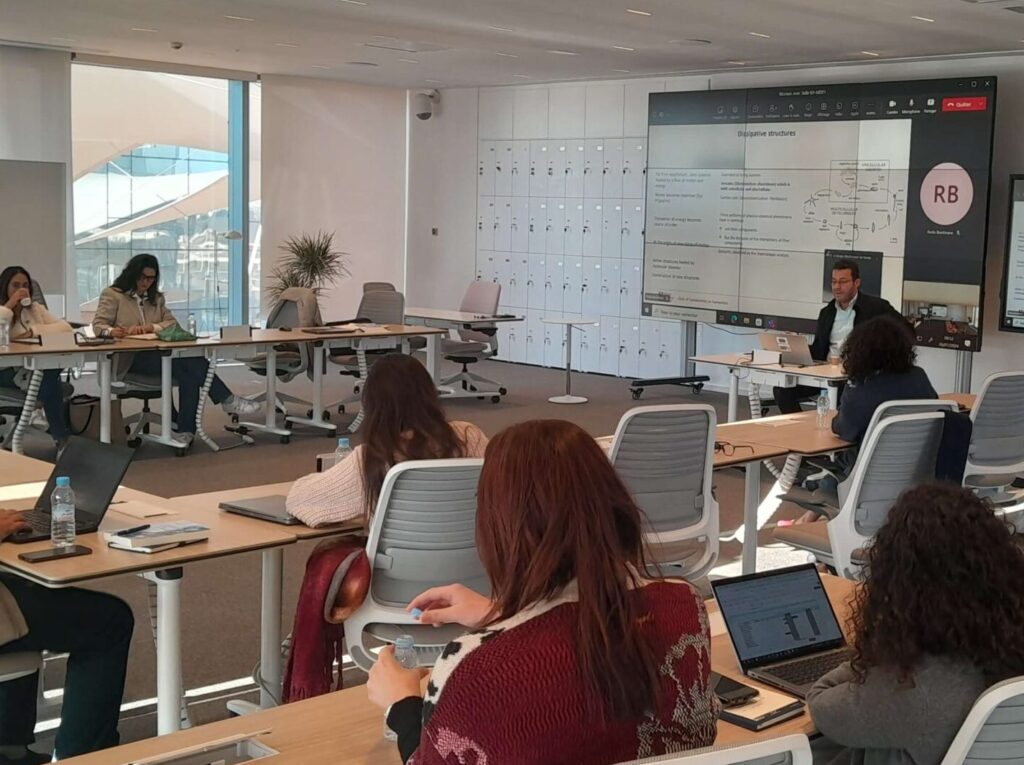
This Complexity Seminar is offered to high-profile managers and organized at Africa Business School. Participants are introduced to complexity science — the study of systems where the whole exceeds the sum of its parts — drawing on mathematics, physics, and biology, while extending into economic, social, cultural, and technological domains. The seminar covers core topics such as chaos theory, fractal geometry, self-organization, and emergent properties, offering participants a new conceptual lens for reading non-linear, unpredictable phenomena that resist classical analytical frameworks.
Change Mindset: Navigating Complexities and Humanities, SHBM
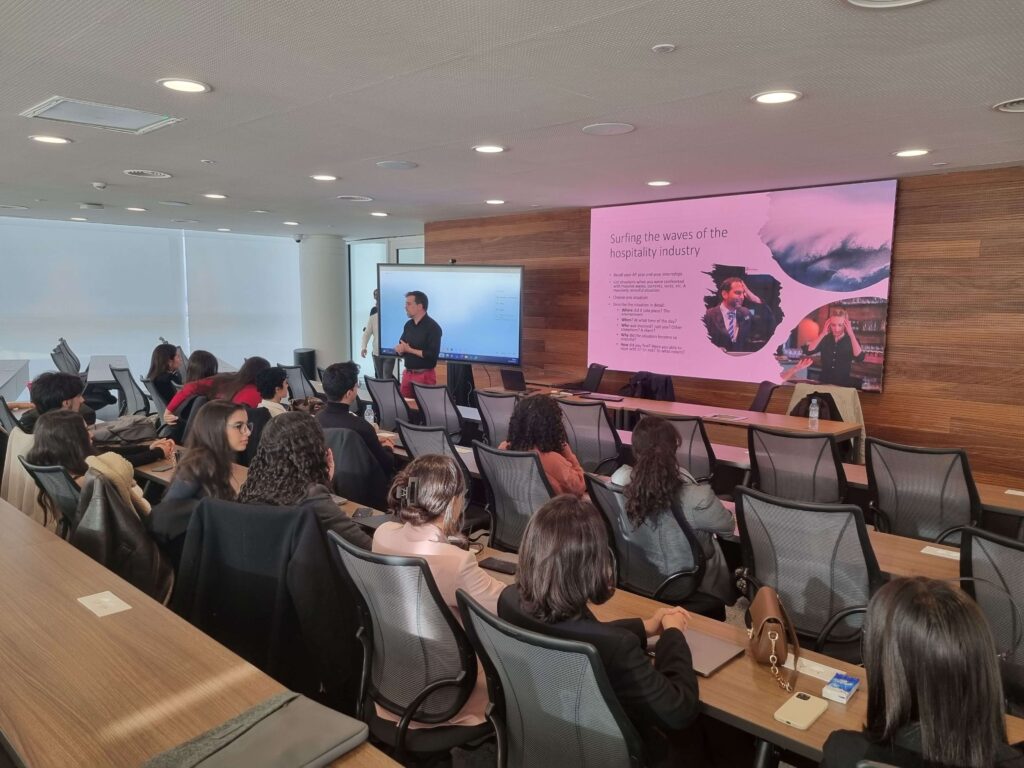 This is an introductory seminar on complexities and humanities that is adapted to the academic and professional settings of SHBM students. The seminar delves into complexity theory and its practical application in the context of various organizations. Students will gain a deep understanding of the principles of complexity, develop analytical skills to navigate complex situations, and learn how to apply complexity thinking to real-world challenges in various sectors.
Complexity Bootcamp, FGSES
Dans le cadre des Bootcamps organisés par le SCALES (Skills Cluster for Agile Learning in Economics & Social Sciences), la Chaire a organisé un bootcamp d’une journée consacré aux sciences de la complexité, ouvert aux étudiants de la FGSES. La session a proposé une introduction transdisciplinaire à la « grammaire » de la complexité, telle qu’elle se décline en mathématiques, en physique et en biologie, en explorant ses implications dans les environnements économiques, sociaux, culturels, technologiques et naturels.
Introduction to the Sciences of Complexity, DBA program ABS
This recurring course is offered to participants in Africa Business School’s DBA program. Designed to foster open, creative exchange among participants, with the core aim of having them share their own research and reflect on how a complexity-science approach could inform their work, culminating in short presentations built on their understanding and application of the course material. Content-wise, it combines lectures on core topics (introduction to complexity science, emergence and self-organization, turbulence, chaos, and randomness, non-Euclidean and fractal geometries, swarm intelligence and artificial intelligence, and complexity from science to society) with review of relevant literature and curated online video resources.
Altérités en/et devenir : Exploring Complexities and Humanities, Cultur.Ed
This hands-on seminar was organised for the participants of the Inspire program at Cultur.Ed. These young students, aged 18 to 30, spend a year acquiring and developing skills in cultural engineering through workshops, seminars, and field trips, producing their own understanding of each topic they explore. For this course, the Chair co-organised with the participants a session for the UM6P Science Week entitled Altérités en/et devenir. Students moderated the session, curated an art and photo exhibition, performed onstage, and more.