FOCUS
UM6P SCIENCE WEEK – CC∞H Sessions on Alterities & Tacit Knowledge – March 30 and 31, 2026
→ Alterities in/and becoming
→ Tacit knowledge
📍 UM6P Campus Benguerir – Asni Amphitheater
🔗 Registration: https://forms.um6p.ma/app/form?id=bk0Kpw
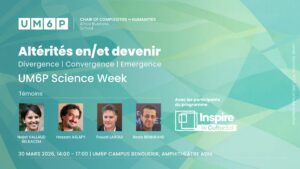
Through this meeting, we aim to explore how differences and interactions among cultures, knowledge systems, and experiences shape contemporary societies. By bringing together researchers, intellectuals, and young participants from the Inspire program, the event creates a space for dialogue that blends academic reflection, artistic expression, and intellectual engagement.
The program includes testimonies, discussions, exhibitions, and artistic performances.
- Najat Vallaud-Belkacem, president of the association France terre d’asile, former French Minister of National Education, affiliated professor at Africa Business School (ABS/UM6P), will speak of “I in the eyes of others”.
- Hassan Aslafy, Franco-Moroccan socio-anthropologist, lecturer at the University of Toulouse, will address the “Andalusias” from the perspective of “I is a host”
- Fouad Laroui, writer, professor at UM6P and scientific director of the Science Week, will discuss the situation in which “I is another”
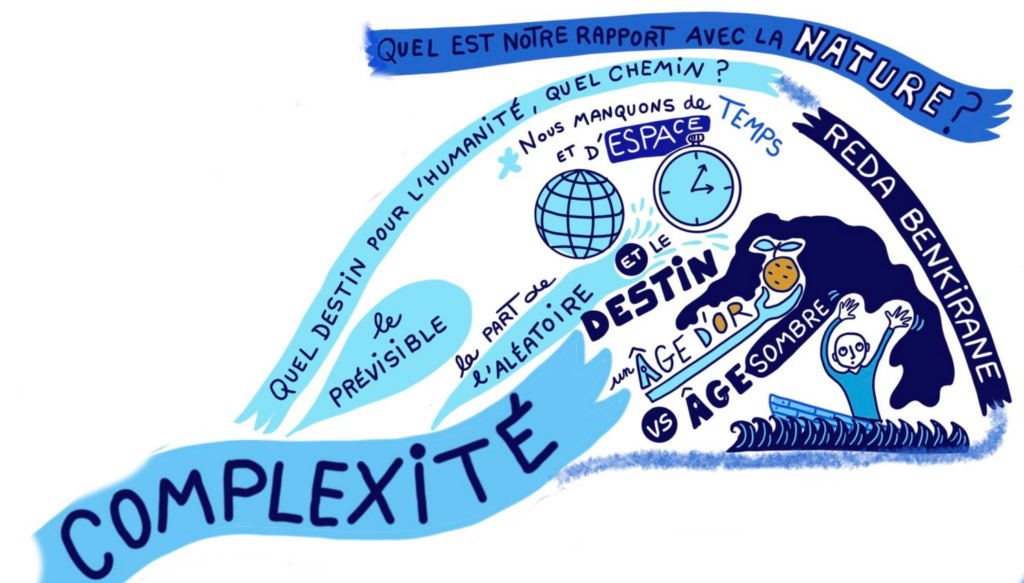
- Reda Benkirane, affiliated full professor, Chair of Complexities ∞ Humanities (ABS/UM6P), will address the topic “I between identity and sense of belonging.”
……………………. CC∞H …………………….
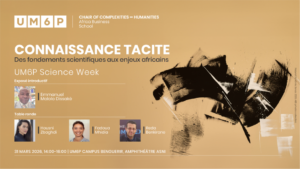
- Emmanuel Malolo Dissakè, professor of philosophy at the University of Douala, Cameroon, author of several works, translator of Karl Popper and Paul Feyerabend. He has been teaching the history and philosophy of science and technology for 30 years.
- Housni Zbaghdi, director of the Maison de la Philosophie/Maroc, who leads philosophy workshops in various settings, including schools, prisons, orphanages, and businesses.
- Fadoua Mhidia, PhD in social sciences, graduate of EGE and the International University of Rabat.
- Reda Benkirane, affiliated full professor, Chair of Complexities ∞ Humanities (ABS/UM6P), will address tacit knowledge in the case of Generation Z.
|
World Conference on Complex Systems Du 20 au 22 avril 2026
Plus d’informations ici |
Fusion of Science and Culture Key to the 21st century An essay byMahdi Elmandjra (1933-2014)
|
|
|
Conférence – “Regards croisés sur la complexité dans les organisations”
Intitulée “Regards croisés sur la complexité dans les organisations”, cette rencontre a réuni des intervenants de divers horizons pour explorer les multiples facettes de la complexité au sein des institutions et des dynamiques organisationnelles contemporaines. Retrouvez l’intégralité des interventions ici.
|
Impromptu Conversations New footage from the Complexity Summit 2023 On the spot interviews with complexity scientists
|
|
|
Le progrès des connaissances a suscité une régression de la pensée
Un texte d’Edgar Morin Version française – anglaise – arabe
|
||

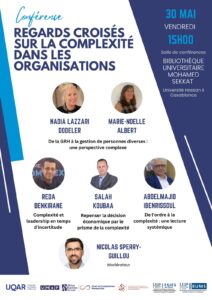 Le 30 mai dernier, la Chaire Complexités ∞ Humanités a co-organisé une conférence à la Bibliothèque Universitaire Mohammed Sekkat, en collaboration avec l’Université du Québec à Rimouski (UQAR) et l’Université Hassan II de Casablanca.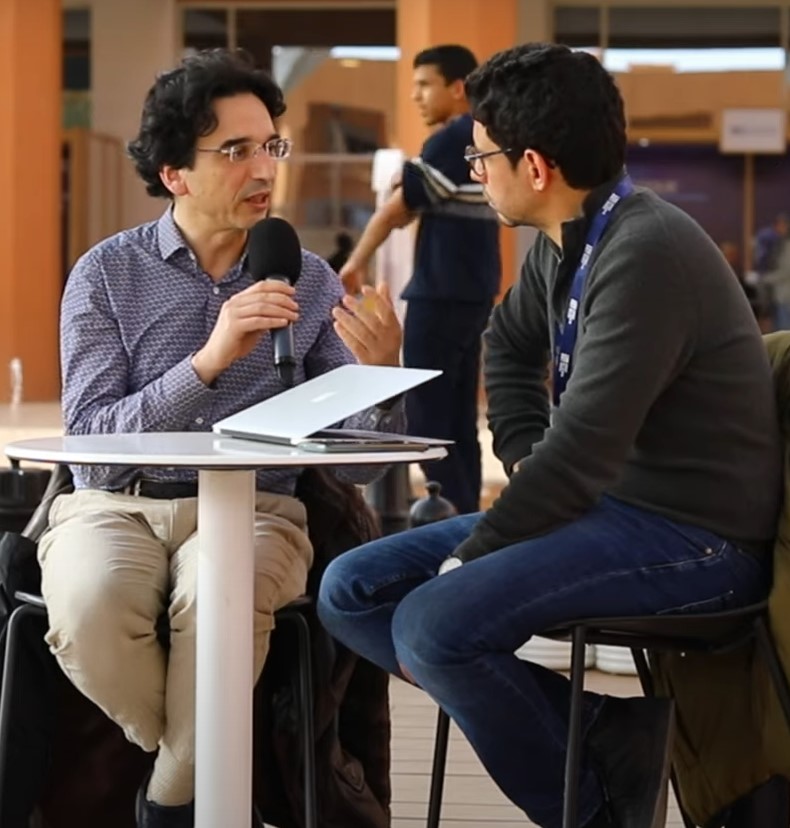

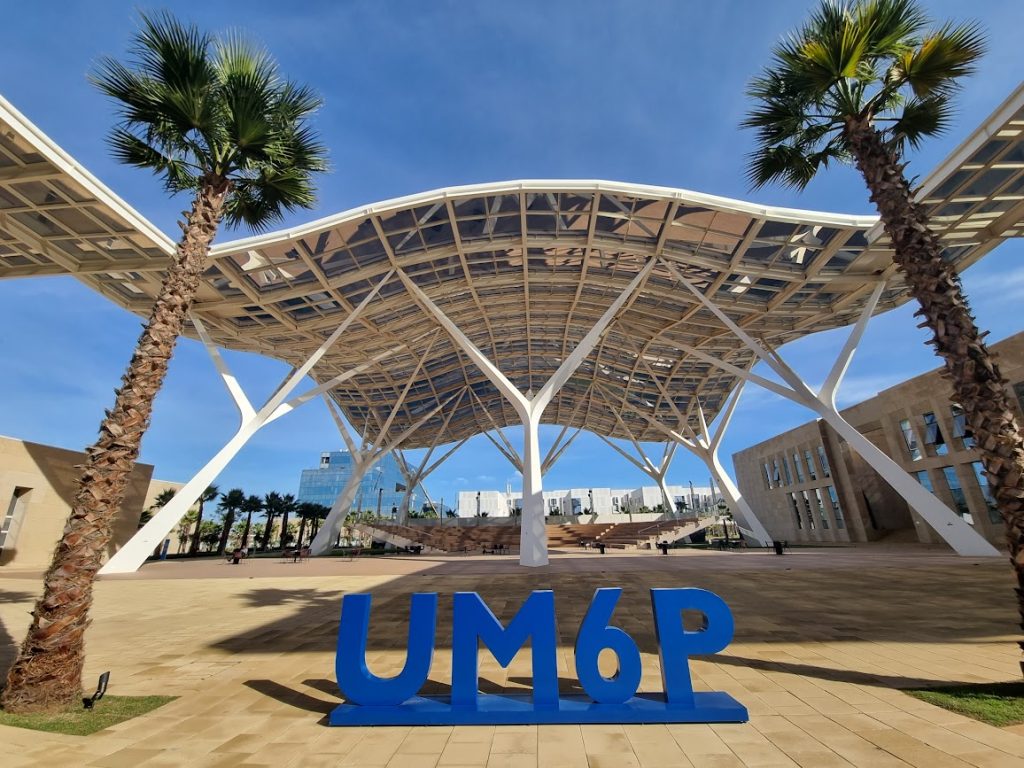
The Chair of Complexities ∞ Humanities (CC∞H) seeks to create stronger connections between the sciences of complexity and human/social sciences. Nested within UM6P’s Africa Business School (which aims at ‘enabling the sustainable transformation of business and society landscapes in Africa and beyond’), the Chair delivers educational programs, spearheads research initiatives, organizes scientific events, publishes academic research, facilitates workshops, and conducts field studies.
Learn more here.
La Chaire Complexités ∞ Humanités (CC∞H) a pour objectif de renforcer les liens entre les sciences de la complexité et les sciences humaines et sociales. Rattachée à l’Africa Business School de l’UM6P (dont l’objectif est de “permettre la transformation durable des paysages commerciaux/économiques et sociaux en Afrique et au-delà”), la Chaire offre des programmes enseignements programmes éducatifs, pilote des initiatives de recherche, organise des événements scientifiques, publie des recherches académiques, facilite des ateliers et réalise des études sur le terrain.
Pour en savoir plus, cliquez ici.
 الكرسيّ العلميّ ” تعقيدات ∞ إنسانيّات ”(CCH) يهدف إلى تعزيز الروابط بين علوم التعقيد وعلوم الإنسان والعلوم الاجتماعية، وهو مرتبط بمدرسة أفريقيا للأعمال في UM6P (التي تهدف إلى تحقيق التحول المستدام في المشهد التجاري والاقتصادي والاجتماعي في إفريقيا وما وراءها). كما يقدم الكرسي برامج تعليمية، يدير مبادرات بحثية، ينظم أحداث علمية، ينشر أبحاثًا أكاديمية، يسهل ورش عمل ويجري دراسات ميدانية.
لمعرفة المزيد، انقر هنا
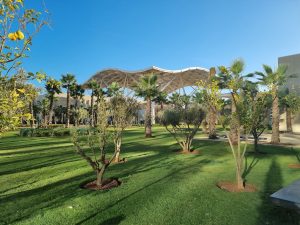
Exploring UM6P’s ecosystem
A variety of structures and dynamics that multiply, diversify, and distinguish themselves…
This ecosystem highlights the principle that the whole is greater than the sum of its parts.
 |
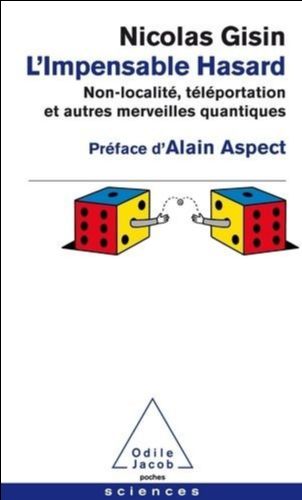
Entretien filmé avec le physicien Nicolas Gisin
 |
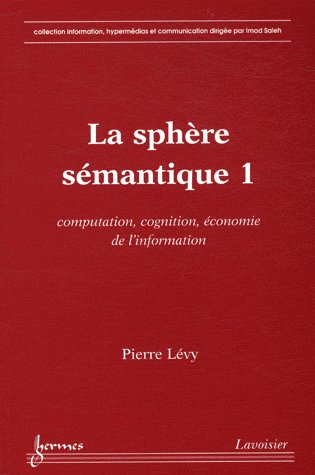
Principes de la Sphère sémantique, revue de livre
 |
Science Week 2023 – Complexity Summit