Research Lab

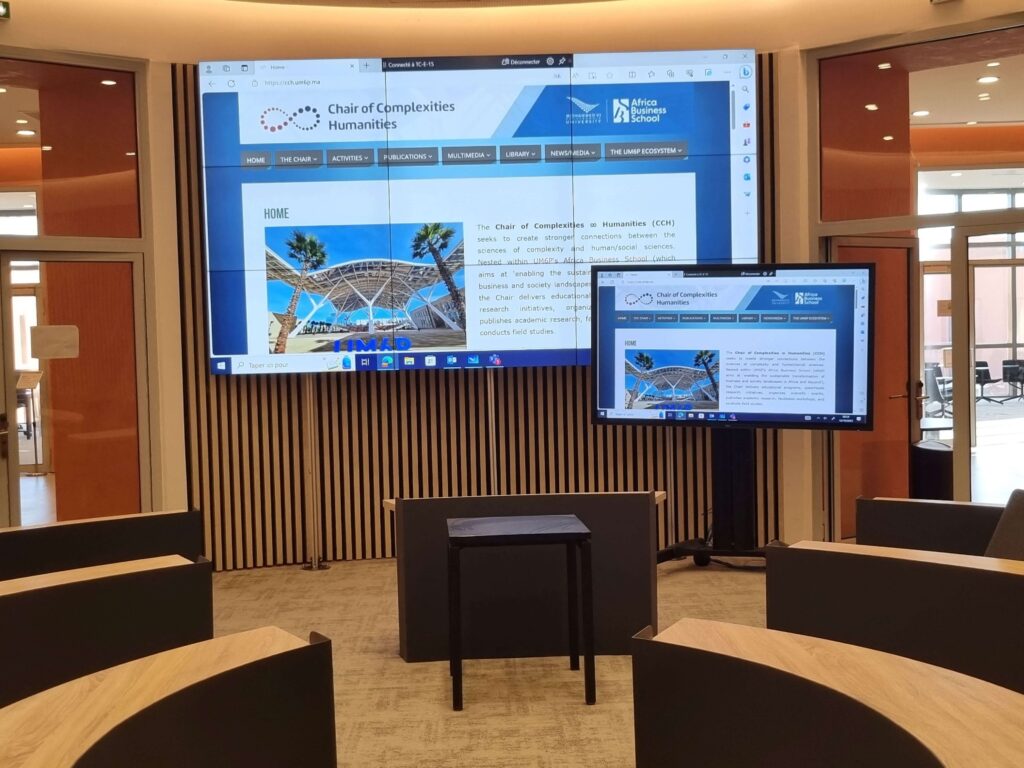
The Chair’s experimental societal laboratory is intended to be a factory of ideas and knowledge. As such, it welcomes apprentice researchers and doctoral candidates capable of establishing links between techno-scientific and societal innovations, intervening to solve practical managerial and organizational problems, connecting engineering to ingenuity (ingenium), and developing experimental research within the university’s ecosystem as well as its local, national, and international environments. Young researchers are encouraged to focus on micro-projects with a strong societal orientation and an interest in emerging forms of innovation produced outside academic and industrial environments. Through local field studies, lab members identify potential “situations” before engaging with them through specific activities of identification, evaluation, research, and innovation.

Young researchers are encouraged to work primarily on “situations” directly related to their living and learning environment, UM6P. This aims to enhance its qualitative dimension, improve or create certain services, promote the autonomy and responsibility of its residents and users, facilitate the expression of alternative cultures and knowledge, or encourage their capacity for self-organization as a learning community.

The Laboratory also serves as a privileged space for studying the articulations of various regimes of sciences, techniques, knowledge, and practices prevalent in the social contexts of Morocco and Africa. Some of the questions addressed by laboratory researchers include:

  • Optimizing relationships between various facets of our social reality, particularly between rural and urban areas.
  • Addressing daily issues in education, healthcare, and the environment within village communities, industrial districts, historic medinas, peri-urban areas, and social housing.
  • Generating knowledge related to housing, healthcare, education, services, manufacturing, and the environment.
  • Improving the learning of crafts and trades, and higher education within precarious, under-integrated, or marginalized social environments.
  • Developing vernacular knowledge and exploring how to link these horizontal and networked forms of knowledge to the sciences and techniques produced and legitimized by the university and industry.
  • Investigating barriers and obstacles to the co-production of knowledge, techniques, and practices, as well as hybrid learning approaches to problem-solving.

To fully engage in the management of complexity and foster collective, cognitive, and connective intelligence, the Laboratory provides its researchers with the means to connect to the extensive research networks that are similarly engaged in work on new knowledge producers.

The Research Laboratory is a mobile device that bridges the various poles of UM6P.

__________________________________

Le laboratoire sociétal expérimental de la Chaire se veut une fabrique des idées et des savoirs. A ce titre, il accueille des apprentis chercheurs et doctorants aptes à travailler à la mise en lien des innovations technoscientifiques et sociétales, à intervenir pour résoudre des problèmes pratiques managériaux et organisationnels, à relier l’ingénierie à l’ingéniosité (ingenium) et à développer une recherche expérimentale au sein de l’écosystème de l’université  et de ses environnements local, national et international. Les jeunes chercheurs sont encouragés à se focaliser sur des micro-projets avec une forte orientation sociétale et un intérêt pour les formes ascendantes et croissantes d’innovation, produites en dehors des milieux universitaires et industriels. Sous la forme d’enquêtes de proximité, les membres du Laboratoire identifient des «situations» potentielles avant de s’en saisir et de s’y impliquer au travers d’interventions et d’activités spécifiques de repérage, d’évaluation, de recherche et d’innovation. 

Les jeunes chercheurs sont encouragés prioritairement à travailler sur des «situations » en lien direct avec leur milieu de vie et d’apprentissage, l’UM6P, pour renforcer sa dimension qualitative, améliorer ou créer certains services, favoriser l’autonomie et la responsabilité de ses habitants et usagers, permettre l’expression de cultures et savoirs alternatifs et d’arts divers, ou encourager leur capacité d’auto-organisation en tant que communauté estudiantine apprenante. 

Le Laboratoire se veut également un espace privilégié d’études des articulations des divers régimes de sciences et techniques, savoirs et pratiques prévalant dans les milieux sociaux du Maroc et d’Afrique. Certaines des questions abordées par les chercheurs du Laboratoire incluent notamment: 

  • l’optimisation des relations entre les diverses facettes de notre réalité sociale, notamment entre ruralité et urbanité; 
  • le traitement au quotidien des questions éducatives, sanitaires, écologiques dans la communauté villageoise, le quartier industriel, la médina historique, la cité péri-urbaine, l’habitat social;
  • la fabrique des savoirs autour de l’habitat, de la santé, de l’éducation, des services, des manufactures et de l’environnement;
  • l’amélioration de l’apprentissage des arts et métiers, l’enseignement supérieur au sein d’environnements sociaux précaires, sous-intégrés ou en marge 
  • la formation des savoirs vernaculaires et comment relier ces savoirs horizontaux et réticulaires aux sciences et techniques produites et légitimées par l’université et l’industrie;
  • la question des freins et les blocages à une co-production des savoirs, des techniques et des pratiques ainsi qu’à des apprentissages hybrides de traitement des problèmes 

Afin de s’inscrire pleinement dans les processus de gestion de la complexité et d’animation de l’intelligence collective, cognitive et connective, le Laboratoire donne à ses chercheurs les moyens de se relier aux vastes réseaux de recherche qui développent pareillement des travaux sur les nouveaux producteurs de savoirs. 

Le Laboratoire de recherche est un dispositif nomade faisant le lien entre les différentes pôles de l’UM6P.

__________________________________

المختبر الاجتماعي التجريبي للكرسي يهدف إلى أن يكون مصنعًا للأفكار والمعرفة. وفي هذا السياق، يستضيف الباحثين المبتدئين والطلاب الدكاترة القادرين على العمل على ربط الابتكارات التكنولوجية والاجتماعية والتدخل في حل المشاكل الإدارية والتنظيمية العملية، وربط الهندسة بالإبداع (ingenium *) وتطوير البحث التجريبي ضمن نظام الجامعة وبيئاتها المحلية والوطنية والدولية. يتم تشجيع الباحثين على التركيز على مشاريع صغيرة مع التوجه الاجتماعي القوي والاهتمام بأشكال الابتكار الصاعدة والمتزايدة التي تنتج خارج البيئات الجامعية والصناعية. في شكل استطلاعات قريبة، يحدد أعضاء المختبر “المواقف” المحتملة قبل أن يتخذوا إجراءات محددة لاستكشافها، وتقييمها وبحثها وابتكارها.

يتم تشجيع الباحثين الشبان والشابات بشكل أساسي على العمل على “المواقف” المرتبطة مباشرة ببيئتهم الحياتية والتعليمية، جامعة محمد السادس متعددة التخصصات، من أجل تعزيز بعدها النوعي، وتحسين أو إنشاء بعض الخدمات، وتعزيز استقلالية ومسؤولية سكانها ومستخدميها، وتمكين التعبير عن الثقافات والمعرفة البديلة والفنون المتنوعة، أو تعزيز قدرتهم على التنظيم الذاتي كمجتمع طلابي يتعلم.

المختبر يهدف أيضًا إلى أن يكون مكانًا متميزًا لدراسة تواصل أنظمة العلوم والتقنيات والمعرفة والممارسات المختلفة التي تسود في البيئات الاجتماعية في المغرب وإفريقيا. تشمل بعض الأسئلة التي يتناولها الباحثون في المختبر على وجه الخصوص:

– تحسين العلاقات بين مختلف جوانب واقعنا الاجتماعي، بما في ذلك الحياة الريفية والحضرية.

– التعامل اليومي مع قضايا التعليم والصحة والبيئة في المجتمع القروي، والمنطقة الصناعية، والمدينة التاريخية، والمدينة الضاحية، والإسكان الاجتماعي.

– إنشاء المعرفة حول الإسكان والصحة والتعليم، والخدمات، والصناعات، والبيئة.

– تحسين تعلم الفنون والحرف والتعليم العالي في بيئات اجتماعية هشة أو غير متكاملة أو على هامشها.

– تكوين المعرفة التقليدية وكيفية ربط هذه المعرفة الأفقية والشبكية بالعلوم والتقنيات المنتجة والمشروعة من قبل الجامعة والصناعة.

– مسألة العقبات والعوائق أمام التعاون في إنتاج المعرفة والتقنيات والممارسات، بالإضافة إلى التعلم المختلط لمعالجة المشكلات.

من أجل المشاركة الكاملة في عمليات إدارة التعقيد وتنشيط الذكاء الجماعي والعقلي والتواصلي، يمنح المختبر للباحثين وسائل للربط بشبكات البحث الواسعة التي تعمل بنفس القدر على العمل في مجال الإنتاج الجديد للمعرفة وعلاقاتها بين مختلف أنظمة العلوم والممارسات.

المختبر البحثي هو جهاز متنقل يربط بين مختلف أقسام جامعة محمد السادس متعددة التخصصات.
Courses

The courses offered are aimed at students interested in an introduction to new inter-, multi-, and transdisciplinary approaches to knowledge, societies, and cultures. These classes aim to give students of UM6P the tools they need to navigate through thought and learn contemporary facts about science, economics, politics, social sciences, and cultures. Providing them with comprehension and analysis tools will enable them to become self-reliant in their knowledge acquisition, thereby initiating them into critical thinking.

The focus is on complexity, its specific “grammar,” key concepts, as well as non-linear processes, criticality phenomena, and deviations from equilibrium found in the sciences of matter, life, and computation, as well as in animal and human societies. The teaching unfolds as a guide to the ongoing recomposition within the sciences and humanities around a vast circulation of ideas associated with a process of multidisciplinary reconfiguration.

Teachings address the complexity of matter, life, and computation, before moving on to the humanities: areas of knowledge in which non-mathematizable, non-modelable, and qualitative manifestations of complexity take place.

Learn more about our courses here.

__________________________________

Les cours proposés s’adressent à des étudiants – principalement doctorants et en filière de master – intéressés par les nouvelles approches inter-, multi- et transdisciplinaires des sciences et des savoirs, des sociétés et des cultures. L’objectif de ces enseignements est d’une part de doter les étudiants polytechniciens des moyens de s’orienter par la pensée pour appréhender des faits scientifiques, économiques, politiques, sociaux et  culturels contemporains. Il s’agit de fournir des outils de compréhension et d’analyse pour rendre les étudiants autonomes dans leur acquisition des connaissances, les initier à l’esprit critique et à la recherche.
L’accent est mis sur la complexité, sa « grammaire » spécifique et ses notions-clés ainsi que  sur  les  processus  non-linéaires,  les  phénomènes  de  criticalité  et  d’écart  à l’équilibre mis en évidence dans les sciences de la matière, du vivant et du calcul, mais aussi dans les sociétés animales et humaines. L’enseignement déploie une sorte de table d’orientation de la recomposition en cours au sein des sciences et des humanités autour d’une vaste circulation des idées associée un processus de remembrement multi/inter/trans)disciplinaire.

Après avoir traité de la complexité à l’œuvre au sein des sciences de la matière, du vivant et du calcul, les enseignements abordent en second lieu les humanités, c’est-à-dire les espaces de la connaissance où culminent des expressions non mathématisables, non modélisables et qualitatives de la complexité.

__________________________________

الدورات المقدمة ضمن هذا الندوة موجهة للطلاب الذين يهتمون بالتعرف على النهج الجديد لفهم المعرفة والمجتمعات والثقافات بشكل تعددي التخصصات ومتعدد الأقسام وعابر للتخصصات. هدف هذه الدروس هو، من جهة، تزويد المهندسين المستقبليين بأدوات التوجيه الفكري لفهم الوقائع العلمية والاقتصادية والسياسية والاجتماعية والثقافية المعاصرة. وهذا يشمل تقديم أدوات للفهم والتحليل لجعل الطلاب مستقلين في اكتساب المعرفة وتعريفهم بروح النقد والبحث.

يتم التركيز على التعقيد ولغته الخاصة ومفاهيمه الرئيسية، بالإضافة إلى العمليات غير الخطية وظواهر الأهمية والانحراف عن التوازن التي تظهر في علوم المواد والحياة والحساب، بالإضافة إلى المجتمعات البشرية والحيوانية. يقدم هذا التعليم نوعًا من البوصلة لعملية إعادة التكوين الجارية في مجالات العلوم والإنسانيات حول تبادل الأفكار الواسع المدى المرتبط بعملية إعادة التجميع المتعددة التخصصات.

بعد تناول التعقيد في العمل ضمن علوم المادة والحياة والحساب، تتناول الدروس ثانيًا العلوم الإنسانية، أي مساحات المعرفة التي تبلغ فيها التعبيرات غير البشرية ذروتها القابلة للرياضيات وغير القابلة للنمذجة ونوعية التعقيد.

Activities

Through courses and associated activities, the Chair encourages students at UM6P to enrich their knowledge through transdisciplinary contributions, to enhance their autonomy in reflection and research, and to strengthen their ability to apply the knowledge they have acquired. Teaching and research activities consider the ongoing transformation in the vast disciplinary reconfigurations of knowledge: after the period of classical humanities and science, the modern times dominated by positivism and scientism, followed by the eras of social sciences and exact sciences, we now find ourselves in the century of new humanities and the sciences of matter, life, and computation. This era is characterized by complexity, non-linearity, and disequilibrium.

The various activities of the Chair aim to generate a creative dialogue at the intersection of scientific, ecological, economic, social, and cultural engineering: scholars, artists, representatives of associations, entrepreneurs in the field of community living and interknowledge, peace advocates, human rights promoters, protectors of animals and nature, therapists, engineers, farmers, all those who, on a daily basis, as individuals or associations, act as pollinators of meaning at the neighborhood, village, regional, or national level.

The following details the activities and teaching programs offered:

  1. Introductory course to Complexity Sciences and Humanities 

This seminar consists of an introductory course to complexity sciences and humanities. This teaching covers the theoretical part designed to equip students to engage in empirical activities that stimulate their agency.

More information here.

2. Complexities ∞ Humanities Research Lab

This laboratory aims to introduce students to action research and operational programs within the University ecosystem, its developing science city, and in its regional context, always in connection with global networks of teaching and research on these same topics. The concept of complexity is approached here in its multiplicity and diversity, hence the plural used.

More information here.

3. Edge Dynamics Program: Cultural, Mental, and Behavioral Innovation.

The Chair’s mission is to enhance the human and social aspects of complexity through multidisciplinary approaches, critical thinking, and transversality. To achieve these objectives, we are launching the Edge Dynamics program. This initiative will raise awareness about cultural, mental, and behavioral dynamics, empowering students to tap into their full potential physically, psychologically, and socially. Working closely with administrators, educators, and researchers involved in cross-disciplinary student projects, our goal is to nurture not only intellect and skills but also empathy. We aspire to contribute to existing efforts and create new activities that highlight a unique emerging phenomenon known as the edge effect.

Learn more here.

__________________________________

La Chaire propose des enseignements et une palette d’activités associées susceptibles de permettre aux étudiants de l’UM6P d’étoffer leur culture à travers une approche transdisciplinaire, d’émuler leur autonomie dans la réflexion et la recherche, et enfin de renforcer leur faculté de mise en acte des connaissances acquises. Les actitivés d’enseignement et de recherche rendent compte du changement en cours dans l’immense remembrement disciplinaire des savoirs : après l’ère des humanités et de la science classiques, les Temps modernes dominés par le positivisme et l’âge scientiste, puis ceux des sciences sociales et des sciences exactes, nous voici dans l’ère des nouvelles humanités et des sciences de la matière, du vivant et du calcul, ère marquée par le sceau de la complexité, de la non-linéarité et du non-équilibre. 

A travers ses différentes activités, la Chaire oeuvre à stimuler une conversation créatrice, au croisement des ingénieries scientifique, écologique, économique, sociale, culturelle : savants, artistes, représentants associatifs, entrepreneurs de l’économie du vivre-ensemble et de l’entre-connaissance, artisans de la paix, promoteurs des droits humains, protecteurs des animaux et de la nature, thérapeutes, ingénieurs, agriculteurs, tous ceux qui au quotidien, en tant qu’individus ou associations, à l’échelle d’un quartier, d’un village ou de toute une région ou une nation, sont des pollinisateurs du sens.

Dans ce qui suit, sont détaillés les activités et enseignements proposés :

1 – Cours d’introduction aux sciences de la complexité et aux humanités

Ce séminaire consiste en un cours introductif aux sciences de la complexité et aux humanités. Cet enseignement concerne la partie théorique destinée à outiller les étudiants en vue d’entreprendre dans un second temps des activités empiriques stimulant leur puissance d’agir (agency).

Plus d’information ici.

2 – Laboratoire de recherche Humanités ∞ Complexités

Ce laboratoire est destiné à initier des étudiants à la recherche-action et à des programmes opérationnels dans le cadre de l’écosystème de l’Université, de sa cité des sciences en cours de construction, mais aussi dans son environnement régional, et toujours en lien avec les réseaux mondiaux de l’enseignement et de la recherche sur ces mêmes thématiques. La notion de complexité(s) est ici abordée dans sa multiplicité et sa diversité, d’où le pluriel employé.

Plus d’information ici.

3 – Le programme Edge Dynamics: innovation cuturelle, mentale et comportementale

La Chaire a pour mission d’améliorer les aspects spécifiquement humains et sociaux de la complexité grâce à des approches multidisciplinaires, à la pensée critique et à la transversalité. Pour atteindre ces objectifs, nous lançons le programme Edge Dynamics. Cette initiative sensibilisera aux dynamiques culturelles, mentales et comportementales, offrant aux étudiants l’opportunité de développer pleinement leur potentiel physique, psychologique et social. En collaborant étroitement avec les administrateurs, les éducateurs et les chercheurs engagés dans des projets interdisciplinaires pour les étudiants, notre but est de cultiver non seulement l’intellect et les compétences, mais également l’empathie. Nous avons pour ambition de soutenir les initiatives déjà en place et d’initier de nouvelles activités mettant en avant un phénomène émergent particulier appelé l’Edge Dynamics (effet de lisière).

En savoir plus  ici.

__________________________________

يقدم الكرسي تدريسًا ومجموعة متنوعة من الأنشطة التي تهدف إلى توسيع ثقافة الطلاب في جامعة محمد السادس متعددة التخصصات من خلال إضافة العبرمناهجية وتعزيز قدرتهم على التفكير والبحث بشكل مستقل، وزيادة قدرتهم على تطبيق المعرفة التي اكتسبوها. تأخذ  برنامج التدريس والبحث في الاعتبار التغيير الجاري في تكامل المعرفة الضخم: بعد عصر العلوم الإنسانية والعلوم التقليدية، وعصر العلوم الاجتماعية والعلوم الدقيقة، نجد أنفسنا الآن في عصر العلوم الإنسانية الجديدة وعلوم المادة والحياة والحساب، عصر يتميز بالتعقيد واللاخطية وعدم التوازن.

من خلال أنشطتها المختلفة، يسعى الكرسي إلى تحفيز حوار إبداعي عبر التقاطع بين الهندسية العلمية والبيئية والاقتصادية والاجتماعية والثقافية: علماء، فنانين، ممثلين للمؤسسات، رواد اقتصاد التعايش والتبادل المعرفي، حرفيين للسلام، مدافعين عن حقوق الإنسان، حماة للحيوانات والطبيعة، معالجين، مهندسين، مزارعين، كل منهم، سواء كأفراد أو جمعيات، على مستوى حي، أو قرية أو منطقة كاملة أو دولة، هم زارعي للمعنى.

فيما يلي تفاصيل الأنشطة والدروس المُقدَمة:

 – 1دورة مقدمة في علوم التعقيد والإنسانيات

تتكون هذه الندوة من دورة تمهيدية في علوم التعقيد والعلوم الإنسانية. يتعلق هذا الدرس بالجزء النظري الذي يهدف إلى تزويد الطلاب بالأدوات اللازمة للمشاركة في الأنشطة التعليمية في وقت لاحق تعزز من قدرتهم على التفاعل (التأثير).

لمزيد من المعلومات انقر هنا.

 – 2مختبر أبحاث الإنسانيات ∞ التعقيد

يهدف هذا المختبر إلى تعريف الطلاب بالبحث العملي والبرامج التشغيلية في إطار نظام جامعة محمد السادس متعددة التخصصات ومدينة العلوم الجارية الإنشاء، بالإضافة إلى بيئتها الإقليمية، أيضًا في سياق الشبكات العالمية للتعليم والبحث في هذه المواضيع نفسها. تُعالج مفهوم التعقيد في هذا السياق بتعدد وتنوعه، ومن هنا يأتي استخدام الجمع.

لمزيد من المعلومات انقر هنا.

  – 3 برنامج ديناميكية الحافة : الابتكار الثقافي والعقلي والسلوكي

تتمثل مهمة الكرسي في تعزيز الجوانب الإنسانية والاجتماعية للتعقيد من خلال النهج متعددي التخصصات والتفكير النقدي والتعامل مع الأمور بشكل شامل. لتحقيق هذه الأهداف، نقوم بإطلاق برنامج ديناميكية الحافة. ستساهم هذه المبادرة في زيادة الوعي بالديناميات الثقافية والعقلية والسلوكية، مما يمكن الطلاب من الاستفادة من إمكانياتهم الكاملة جسديًا ونفسيًا واجتماعيًا. بالتعاون مع المسؤولين والمعلمين والباحثين المشاركين في مشاريع الطلاب متعددي التخصصات، هدفنا هو تنمية الفهم والمهارات، وكذلك تعزيز العاطفة. نطمح في المساهمة في الجهود القائمة وإطلاق أنشطة جديدة تسلط الضوء على ظاهرة ناشئة فريدة تعرف بتأثير الحافة.

 ¹للحصول على حجة مفصلة والتمييز بين التعقيد المحدود والمعمم، بين المعاني العلمية والمظاهر غير الرياضية التي تبلغ ذروتها في المجتمع والفرد، راجع مقدمة كتاب “التعقيد والدوار والوعود”. ثمانية عشر قصة علمية (مطبعة جامعة محمد السادس بن جرير، 2023).

لمزيد من المعلومات انقر هنا.

صفحة دورة مقدمة في علوم التعقيد والإنسانيات

الدورات المقدمة ضمن هذا الندوة موجهة للطلاب الذين يهتمون بالتعرف على النهج الجديد لفهم المعرفة والمجتمعات والثقافات بشكل تعددي التخصصات ومتعدد الأقسام وعابر للتخصصات. هدف هذه الدروس هو، من جهة، تزويد المهندسين المستقبليين بأدوات التوجيه الفكري لفهم الوقائع العلمية والاقتصادية والسياسية والاجتماعية والثقافية المعاصرة. وهذا يشمل تقديم أدوات للفهم والتحليل لجعل الطلاب مستقلين في اكتساب المعرفة وتعريفهم بروح النقد والبحث.

يتم التركيز على التعقيد ولغته الخاصة ومفاهيمه الرئيسية، بالإضافة إلى العمليات غير الخطية وظواهر الأهمية والانحراف عن التوازن التي تظهر في علوم المواد والحياة والحساب، بالإضافة إلى المجتمعات البشرية والحيوانية. يقدم هذا التعليم نوعًا من البوصلة لعملية إعادة التكوين الجارية في مجالات العلوم والإنسانيات حول تبادل الأفكار الواسع المدى المرتبط بعملية إعادة التجميع المتعددة التخصصات.

بعد تناول التعقيد في العمل ضمن علوم المادة والحياة والحساب، تتناول الدروس ثانيًا العلوم الإنسانية، أي مساحات المعرفة التي تبلغ فيها التعبيرات غير البشرية ذروتها القابلة للرياضيات وغير القابلة للنمذجة ونوعية التعقيد.

Complexity, Golden Age, Dark Age

Talk given by Reda Benkirane, Opening Session
UM6P Science Week – Complexity
20 February 2023

Translated into Arabic by Samia Erraji

Classical science postulates that what is “scientific” must be general and generic, regular and linear. The sciences of complexity go further and study what is singular, irregular, unpredictable, all what constitutes the very nature and texture of most real phenomena around us.

As a socio-anthropologist, I have been working on complexity for the past 25 years, starting with a two-year survey of the field, during which I interviewed over 50 outstanding scientists. I then spent the next 20 years researching Complexity and Emergence culminating in man and in society. 

I would like to draw your attention today to the importance of apprehending the complexity, emergence, and self-organization manifested in what is called the humanities. Let us consider, for instance, the notions of randomness and destiny. Who would have imagined, 25 years ago, that after meeting Edgar Morin and Luc Steels, or conversing with Gregory Chaitin, Stuart Kauffman and Ivar Ekeland, I would meet them, here and now, altogether, with other major scientists and thinkers of complexity? And who could have thought that such a gathering would take the form of a Summit on Complexity held in my native country? Who could have predicted a couple decades ago that Benguerir would become the “sci-tech and thinking plain” (la plaine qui pense) of Morocco and, indeed, the whole Continent? In this contingent history, blending individual trajectories and global issues, what is the part of chance? what is the part of destiny?

During this week, there will certainly be discussions on the role of randomness in Mathematics, Physics and Biology. It is instructive to see how random, fertile “situations” sometimes become possibilities of realities that occasionally converge towards a destiny and a destination. Scientists need to take destiny and destination very seriously. This is the case of The Intergovernmental Panel on Climate Change (IPCC), the United Nations body assessing the science related to climate change and its impact on the biosphere and on humanity. I would like to share a definition of destiny – that today can be mathematized, a definition proposed almost a century ago by the Indian philosopher, Muhammad Iqbal – probably the most knowledgeable non-Western philosopher of his time when it comes to science. Iqbal claims that:

Destiny is time regarded as prior to the disclosure of its possibilities.
La destinée, c’est le temps considéré comme antérieur à la manifestation de ses possibilités

إنّ القدر هو الزّمان الذي يُعتبر سابقا لتجلّي احتمالاته

We are living a Golden Age of Complexity.  Science, Culture, Society, Economy, Politics, every field of our multifaceted reality is now driven by an unprecedented pace of change. Complexity is increasingly at work at the different levels of our physical world but also in our individual psyche and collective consciousness. At the same time, we are living a Dark Age of Complexity, with an increasing risk of seeing the Digital Transformation and Artificial Intelligence contribute to generate a knowledge peak with the probability that the next generations of citizens might know much less than what we know, completely controlled and manipulated like cognitive cattle (bétail cognitif). In addition, our way of life, how we are exploiting nature and its resources are making the planet the worst of possible worlds. We therefore have to confront this highly uncertain state of existence, with both new and promising possibilities and the almost inevitable approach of a final hour due to our selfish, supremacist, violent and consumerist urges.

Complexity is in fact a universal declaration of inter-dependence, for better or for worse. We must understand that what affects the environment, the living beings on the other side of the planet, may have tragic consequences for us as well. It is the famous ‘butterfly effect’, only overamplified and generalized. We are all in the same boat, so – if there is still time – let us divert it from a Titanic route and fate.

Complexity theory contributes to making science a more realistic and modest quest. It highlights the limits of science. We are now facing geophysical limits due to an anthropic saturation of space and time. In these times of cascading crisis and civilizational hiatus (September 11 in 2001, financial collapse in 2008, Fukushima nuclear disaster in 2011, social uprisings and movements all over the world during the 2010s, the Covid 19 pandemic), complexity is somehow taking revenge on us.

We are not here together for a whole week by mere chance. We have converged here because we have work to do together, we have to consider a problem of lack of resources, space and time, after having commoditized almost everything on Earth. We’re confronted with the hard problem of what I call a restrictive geometry: how – when we are short on time and space – can we ‘pave the plane’, by doing better with less, by doing much better with much less? This indeed is the most complex issue at stake.

Muhammad Iqbal approached the notion of complexity in a very subtle manner, linking it to the spiritual connection to nature and its continuous creation and evolution – connection that we all lost, due to our collective and quasi-religious belief in market fundamentalism and infinite consumerism. Iqbal claims that:

 An act is temporal or profane if it is done in a spirit of detachment from the infinite complexity of life behind it; it is spiritual if it is inspired by that complexity.

Un acte est temporel ou profane s’il est effectué dans un esprit détaché de l’infinie complexité de vie qui lui est sous-jacente :
il est spirituel s’il est inspiré de cette complexité.

يكون الفعل محايثا أو مُدنّسا إذا ما اندرج ضمن نزعة مُنقطعة عن التّعقيد اللانهائيّ للوجود وللحياة الكامِنِ فيها،
 ويكون روحيّا إذا ما كانَ مُستَلهما من هذا التّعقيد

We’re not here by chance, we need to anticipate the destiny of humanity, before the disclosure of its possibilities – before its most probable, fatal bifurcations as well as its promising ones. Complexity is two-sided, and expresses the emergence and its possibilist properties, chemical, physical biological and cultural properties that transform some potentialities into realities. Here again, I cannot find better illustration of what emergence is, than the words of the Andalucian poet Antonio Machado who says that:

Walker, there is no path, the path is made by walking. Walking you make the path

Marcheur, il n’y a pas de chemin, le chemin se construit en marchant.
En marchant se construit le chemin

أيها السائر، ليس ثمة طريق، السير يصنع الطريق. سيرًا تشق الطرق

Let us then walk together and make the path during this unique Science Week, and more importantly let us walk our talks, along the edge of chaos.

Reda Benkirane 

_________________________________

يفترض العلم الكلاسيكي أن ما هو “علمي” يجب أن يكون عامًا وشاملا، منتظمًا وخطيًا. تذهب علوم التعقيد أبعد من ذلك وتدرس ما هو فردي، غير منتظم، غير قابل للتنبؤ، كل ما يشكل طبيعة معظم الظواهر حولنا.

كأنثروبولوجي اجتماعي، لقد كنت أعمل في مجال التعقيد لمدة 25 عامًا. بدءًا من عام 1998 بالإضافة لسنتين من العمل الميداني، أجريت خلاله مقابلات مع أكثر من 50 عالمًا متميزًا. ثم قضيت الـ 20 عامًا التالية في البحث واستكشاف التعقيد والظهور الذي يكمن في الإنسان والمجتمع.

أود أن أجذب انتباهكم اليوم إلى أهمية فهم التعقيد والظهور والتنظيم الذاتي المتجلي فيما يُعرف بعلوم الإنسانيات. دعونا نأخذ، على سبيل المثال، مفاهيم العشوائية والمصير. من الذي كان سيتصور، قبل 25 عامًا، أنه بعد لقائي بإدجار موران ولوك ستيلز، أو محادثاتي مع غريغوري تشايتن، ستيوارت كوفمان، وإيفار إيكلاند، سألتقي بهم، هنا والآن، جميعًا، مع علماء وفلاسفة آخرين كبار في مجال التعقيد؟ ومن كان يمكن أن يفكر أن مثل هذا التجمع سيأخذ شكل قمة في التعقيد تُعقد في بلدي الأم؟ ومن كان يستطيع أن يتوقع قبل عقود أن مدينة ابن جرير ستصبح “سهل العلم والتفكير” في المغرب، بل في القارة بأكملها؟ في هذا الحدث التاريخي الذي يمزج بين المسارات الفردية والقضايا العالمية، ما هو دور الصدفة؟ وما هو دور المصير؟

خلال هذا الأسبوع، ستكون هناك بالتأكيد مناقشات حول دور العشوائية في الرياضيات والفيزياء وعلم الأحياء. من المفيد أن نرى كيف يمكن للحالات العشوائية والخصبة أحيانًا أن تصبح إمكانيات حقائق تتقارب أحيانًا نحو مصير ومقصد. يحتاج العلماء إلى اتخاذ المصير والمقصد على محمل الجد. هذا هو الحال مع لجنة الأمم المتحدة الحكومية بشأن تغير المناخ (IPCC)، الهيئة التابعة للأمم المتحدة التي تقيم العلم المتعلق بتغير المناخ وتأثيره على المحيط الحيوي وعلى الإنسانية. أود أن أشارككم بتعريف للمصير – الذي يمكن ترجمته إلى الرياضيات اليوم، وهو تعريف اقترحه منذ ما يقرب من قرن من الزمان الفيلسوف الهندي، محمد إقبال – والذي ربما يعد أكثر الفلاسفة غير الغربيين معرفة بالعلم في وقته. يدعي إقبال أن:

“إن القدر هو الزمان الذي يعتبر سابقا لتجلي احتمالاته “

نحن نعيش عصرًا ذهبيًا للتعقيد. العلم، الثقافة، المجتمع، الاقتصاد، السياسة، كل مجال من واقعنا المتعدد الجوانب يشهد تغييرا بوتيرة غير مسبوقة. التعقيد يسيطر بشكل متزايد على مختلف مستويات عالمنا الفيزيائي، وأيضًا في أنفسنا الفردية ووعينا الجماعي. في الوقت نفسه، نعيش عصرًا مظلمًا للتعقيد، مع زيادة خطر رؤية التحول الرقمي والذكاء الاصطناعي يساهمان في إنشاء ذروة المعرفة مع احتمال أن تعرف الأجيال القادمة من المواطنين أقل بكثير مما نعرفه، وتكون تحت السيطرة والتلاعب كالماشية المعرفية. بالإضافة إلى ذلك، طريقة حياتنا، وكيفية استغلالنا للطبيعة ومواردها تجعل من الكوكب أسوأ العوالم الممكنة. لذا علينا أن نواجه هذا الوضع، مع الاحتمالات الجديدة والاقتراب الشبه لا مفر منه من الساعة النهائية بسبب أنانيتنا وتفوقنا وعنفنا وانغماسنا في التهميش الاستهلاكي.

في الواقع، التعقيد هو إعلان عالمي للتبادل البيني، سواء كان للأفضل أم للأسوأ. يجب أن نفهم أن ما يؤثر على البيئة والكائنات الحية في الجهة الأخرى من الكوكب قد يكون له عواقب مأساوية بالنسبة لنا أيضًا. إنه تأثير الفراشة الشهير، ولكن مكبر ومعمم. نحن جميعًا في نفس القارب، لذا – إذا كان لازال هناك وقت- دعونا نحوله عن مسار ومصير تيتانيك.

تساهم نظرية التعقيد في جعل العلم مسعى أكثر واقعية وتواضع. إنها تسلط الضوء على حدود العلم. نحن الآن نواجه حدودًا جيوفيزيائية بسبب تشبع الإنسان بالمكان والزمان. في هذه الأوقات من الأزمات المتتالية والهوة الحضارية (11 سبتمبر 2001، انهيار مالي في 2008، كارثة فوكوشيما النووية في 2011، انتفاضات وحركات اجتماعية في جميع أنحاء العالم خلال سنوات 2010، وجائحة كوفيد-19)، يبدو أن التعقيد ينتقم منا بطريقة ما.

لسنا هنا معًا لمدة أسبوع كامل عبور صدفة بحتة. لقد اجتمعنا هنا لأن لدينا عمل يجب أن نقوم به معًا، يجب أن ننظر في مشكلة نقص الموارد والمساحة والزمن، بعد أن قمنا بتجميد تقريبًا كل شيء على وجه الأرض. نحن نواجه مشكلة صعبة تتمثل فيما أسميه الهندسة المقيدة: كيف يمكننا – عندما نكون في قلة من الوقت والمكان – “تعبيد الساحة”، من خلال العمل بشكل أفضل باستخدام أقل، من خلال القيام بالكثير باستخدام أقل بكثير؟ هذه فعلا هي القضية الأكثر تعقيدًا.

اقترب محمد إقبال من مفهوم التعقيد بطريقة معقدة للغاية، ربطه بالارتباط الروحي بالطبيعة وخلقها المستمر وتطورها – الارتباط الذي فقدناه جميعًا بسبب اعتقادنا الجماعي وشبه الديني في الرأسمالية السوقية والاستهلاك اللانهائي. يدعي إقبال أن:

“يكون الفعل محايثا أو مدنسا إذا ما اندرج ضمن نزعة منقطعة عن التعقيد اللانهائي للوجود وللحياة الكامن فيها، ويكون روحيا إذا ما كان مستلهما من هذا التعقيد”

يجب أن نتوقع مصير الإنسانية – قبل تشعباتها القاتلة والمحتملة بالإضافة إلى مواصفاتها الواعدة. التعقيد ذو وجهين، ويعبّر عن الظهور وخصائصه الممكنة، الكيميائية والفيزيائية والبيولوجية والثقافية التي تحول بعض الإمكانيات إلى حقائق. هنا مرة أخرى، لا أستطيع أن أجد عبارة تصف “الظهور” أفضل من كلمات الشاعر الأندلسي أنطونيو ماشادو الذي يقول: 

“سيرا تشق الطرق أيها السائر، ليس ثمة طريق، السير يصنع الطريق.”

لنمشي معًا ونصنع الطريق، والأهم من ذلك، دعونا نتابع كلامنا، على حافة الفوضى.

  رضا بنكيران

ترجمة: سامية الراجي

800 Sahéliens parlent du radicalisme

Babel, Espace 2, RTS, 18 novembre 2018, 11h03
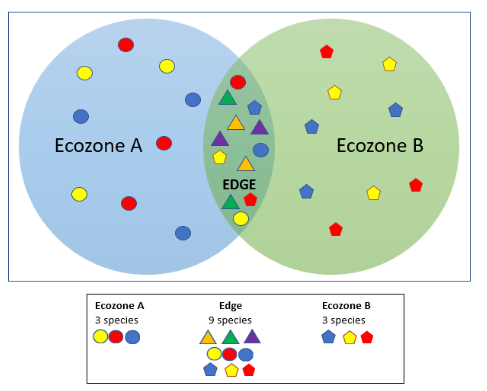
Que disent les Mauritaniens, Maliens, Bourkinabés ou Camerounais de la radicalisation islamiste? Quel rôle prêtent-ils aux djihadistes dans la violence et lʹinsécurité qui règnent au Sahel? Un rapport intitulé “Radicalisation, extrémisme violent et insécurité au Sahel”, basé sur 800 interviews, a été présenté à Genève par Réda Benkirane, Isaïe Dougnon et Claude Mbowou. Fabien Hünenberger a rencontré les trois chercheurs pour en parler. Par ailleurs, il sʹest entretenu avec Sébastien Chadaud-Pétronin, fils dʹune otage détenue par des djihadistes au Mali.

Le Sahel tel quʹil est perçu par ses populations

Sous les pavés, Espace 2, RTS, émission d’Anik Schuin, avec la collaboration de Nicole Corpataux, 24 novembre 2018, La Première, 25 novembre 2018

Le Sahel est une vaste région dont nous avons une image floue, voire floutée. Une région arpentée par les hommes et leurs négoces, irriguée par des cultures diverses mais traversée aussi par des trafics illicites, la drogue venant dʹAmérique du sud, les armes qui finissent dans les mains des extrémistes sans oublier les enlèvements dʹoccidentaux. Mandatés par le PNUD et le Centre pour le dialogue humanitaire de Genève, le sociologue genevois dʹorigine marocaine Reda Benkirane a dirigé une recherche sur le terrain, fort dʹune soixantaine dʹenquêteurs locaux courageux qui ont su approcher des populations avides dʹêtre écoutées et entendues. Un rapport international vient dʹêtre rendu public qui analyse la radicalisation, la violence et lʹinsécurité au Sahel telle quʹelle est perçue, et là réside lʹoriginalité et la richesse de la démarche, par les sahéliens eux-mêmes. Une occasion de mieux connaître une région secouée par une crise sociétale et culturelle et de sʹouvrir à des réflexions et conclusions qui peuvent parfois surprendre, voire déranger, cʹest ce que nous explique Reda Benkirane. 

Penser la complexité. Science.ch

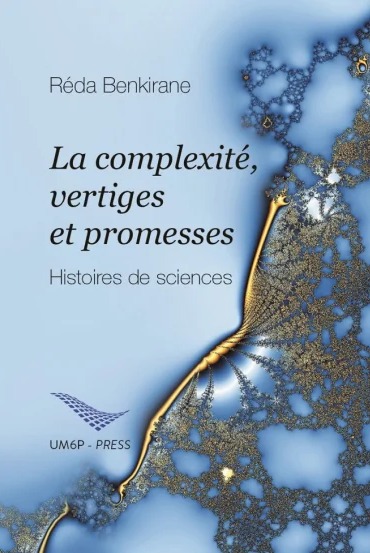
Penser la complexité. Rencontre avec Réda Benkirane à propos de son livre « La Complexité, vertiges et promesses ».

Emission Sciences.ch, Radio Suisse Romande, Espace 2, production Anne-Marie Rhyn, 11 avril 2003, 25 mn

Terrorism: Report to the United Nations

First Independent Evaluation Report of UN Counter-Terrorism Programs
Extracts from the Independent Meta-synthesis under the Global Counter-Terrorism Strategy, United Nations, December 2021.
Independent synthesis report prepared by an external evaluation team consisting of Punit Arora (Team Leader), Reda Benkirane (CounterTerrorism Expert) and Xiomara Chavez (Evaluation Expert) at the request of the  United Nations Global Counter-Terrorism Coordination Compact 

Edge Dynamics Program

Edge Dynamics
Innovations in Mind, Behaviour, and Culture

As part of its activities, the Chair aims to deepen the specifically human and social dimensions of complexity through emulation and implementation of multidisciplinary approaches, transversality, and critical thinking. Our ambition is to support the various stakeholders of UM6P in the context of ongoing transformation and learning processes. The acquisition of “transdisciplinarity” tools will reinforce their autonomy and equip them with a humanistic and civic culture. 

With these goals in mind, we are developing a program to raise awareness of cultural, mental, and behavioural dynamics. The multidisciplinary initiative, called Edge Dynamics, will encourage students to harness their full physical, psychological, and relational potential. In collaboration with administrators, educators, and researchers working on cross-disciplinary projects related to student life, our educational purpose is to stimulate not only the “head” and “hands” but also the “heart”. Our ambition is to both contribute to existing initiatives and develop new activities that emphasize a specific emerging phenomenon, the edge effect.

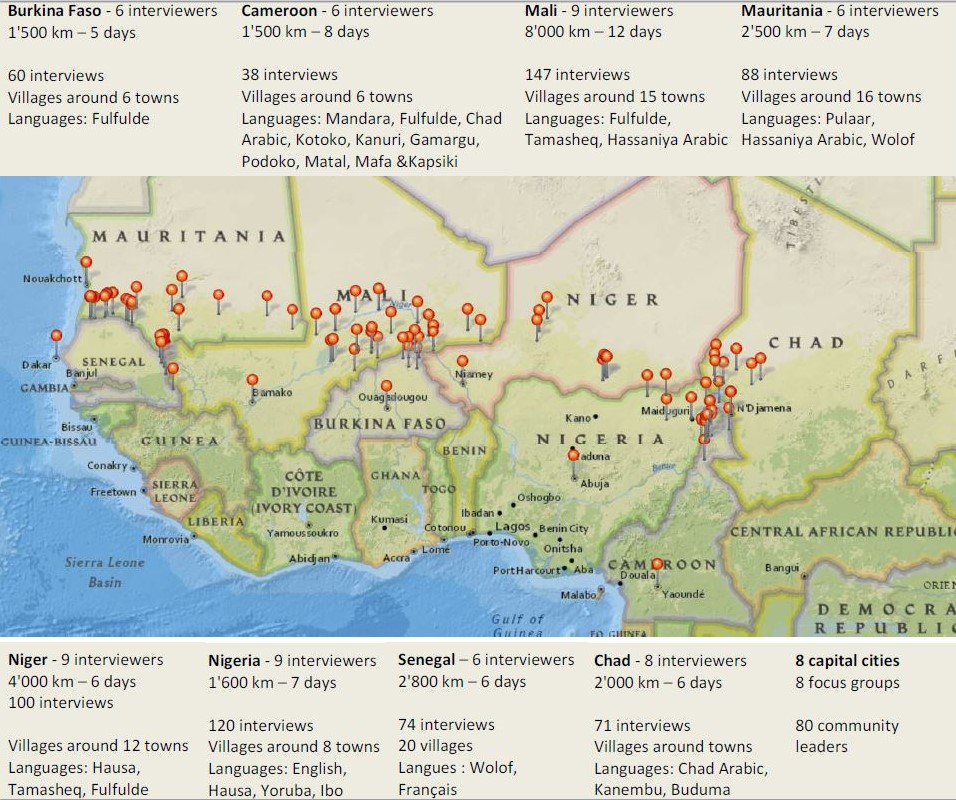
The edge effect is a concept of ecology that illustrates how change and dynamics occur in spaces of transition, borders, thresholds, between different habitats, environments, etc. The edge effect accounts for the multiplicity and richness of living beings in these transitional zones. Studies have shown that the plurality prevalent in certain conjoined ecosystems generates dynamism and creativity not found in these same environments viewed separately. This ecological phenomenon has also been demonstrated in sociocultural environments.

With this program, the Chair aims to work with students to ensure that they can thrive on the edge and beyond the digital transformation in the social and cultural spheres. Ultimately, Edge Dynamics will seek to promote and support all initiatives connected to academic learning, as well as adjacent activities related to student life that contribute to personal growth and the creative potential of one’s personality. Accordingly, the program aims to support students in exploring and articulating three dimensions of their lives within and outside of UM6P:

  1. their relationship with the world: the intercultural dimension
  2. their relationship with others: the interpersonal dimension
  3. their relationship with themselves: the intrapersonal dimension. 

Learn more here.


Dynamiques de lisière
Innovations mentale, comportementale et culturelle

Dans le cadre de ses activités, la Chaire vise à approfondir les dimensions spécifiquement humaines et sociales de la complexité à travers l’émulation et la mise en œuvre d’approches pluridisciplinaires, de la transversalité et de la pensée critique. Notre ambition est d’accompagner les différents acteurs de l’UM6P dans le cadre des processus de transformation et d’apprentissage en cours. L’acquisition d’outils de “transdisciplinarité” renforcera leur autonomie et leur dotera d’une culture humaniste et citoyenne.

Dans cet esprit, nous développons un programme de sensibilisation aux dynamiques culturelles, mentales et comportementales. L’initiative pluridisciplinaire, baptisée Edge Dynamics, encouragera les étudiants à exploiter pleinement leur potentiel physique, psychologique et relationnel. En collaboration avec les administrateurs, les éducateurs et les chercheurs travaillant sur des projets transdisciplinaires liés à la vie étudiante, notre objectif pédagogique est de stimuler non seulement la “tête” et les “mains” mais aussi le “cœur”. Notre ambition est à la fois de contribuer aux initiatives existantes et de développer de nouvelles activités qui mettent en avant un phénomène émergent spécifique, l’effet de bord.

L’effet de bord est un concept d’écologie qui illustre comment le changement et la dynamique se produisent dans les espaces de transition, les frontières, les seuils, entre différents habitats, environnements, etc. L’effet de bord explique la multiplicité et la richesse des êtres vivants dans ces zones de transition. Des études ont montré que la pluralité qui prévaut dans certains écosystèmes conjoints génère un dynamisme et une créativité que l’on ne retrouve pas dans ces mêmes environnements considérés séparément. Ce phénomène écologique a également été démontré dans les environnements socioculturels.

Avec ce programme, la Chaire vise à travailler avec les étudiants afin de s’assurer qu’ils puissent s’épanouir à la pointe et au-delà de la transformation numérique dans les sphères sociales et culturelles. À terme, Edge Dynamics cherchera à promouvoir et à soutenir toutes les initiatives liées à l’apprentissage académique, ainsi que les activités parallèles liées à la vie étudiante qui contribuent à la croissance personnelle et au potentiel créatif de la personnalité. En conséquence, le programme vise à soutenir les étudiants dans l’exploration et l’articulation de trois dimensions de leur vie à l’intérieur et à l’extérieur de l’UM6P :

  1. Leur relation avec le monde : la dimension interculturelle
  2. Leur relation avec les autres : la dimension interpersonnelle
  3. Leur relation avec eux-mêmes : la dimension intrapersonnelle

Pour en savoir plus, cliquer ici  


ديناميات الحافة
الابتكارات في العقل، السلوك، والثقافة

كجزء من أنشطته، يهدف الكرسي إلى تعميق الأبعاد الإنسانية والاجتماعية للتعقيد من خلال محاكاة وتنفيذ مناهج متعددة التخصصات للتقاطع والتفكير النقدي. طموحنا هو دعم مختلف الجهات الفاعلة في جامعة محمد السادس متعددة التخصصات كجزء من عملية التعلم المستمرة. إن اكتساب أدوات “التجاوز المنهجي” سيعزز استقلاليتهم ويزودهم بثقافة إنسانية ومدنية.

‎ ‎ومن هذا المنطلق، قمنا بتطوير برنامج لرفع مستوى الوعي بالديناميكيات الثقافية والعقلية والسلوكية. ستشجع المبادرة متعددة التخصصات، والتي تسمى «Edge Dynamics» ، الطلاب على استغلال إمكاناتهم الجسدية والنفسية والعلائقية بشكل كامل. بالتعاون مع الإداريين والمعلمين والباحثين العاملين في مشاريع متعددة التخصصات تتعلق بالحياة الطلابية، هدفنا التعليمي ليس فقط تحفيز “الرأس” و”الأيدي” ولكن أيضًا “القلب”. طموحنا هو في نفس الوقت المساهمة في المبادرات الحالية وتطوير أنشطة جديدة تسلط الضوء على ظاهرة ناشئة محددة، وهي الآثار الجانبية.

‎تأثير الحافة هو مفهوم في علم البيئة يوضح كيفية حدوث التغيير والديناميكيات في المساحات الانتقالية، والحدود، والعتبات، بين الموائل والبيئات المختلفة، وما إلى ذلك. يشرح تأثير الحافة تعدد وثراء الكائنات الحية في هذه المناطق الانتقالية. وقد أظهرت الدراسات أن التعددية السائدة في بعض النظم البيئية المشتركة تولد ديناميكية وإبداعا لا يوجد في نفس هذه البيئات إذا نظرنا إليها بشكل منفصل. وقد تجلت هذه الظاهرة البيئية أيضًا في البيئات الاجتماعية والثقافية.

‎‎من خلال هذا البرنامج، يهدف الكرسي إلى العمل مع الطلاب لضمان قدرتهم على مواكبة التحول الرقمي في المجالات الاجتماعية والثقافية وما بعده. في نهاية المطاف، ستسعى «Edge Dynamics» إلى تعزيز ودعم جميع المبادرات المتعلقة بالتعلم الأكاديمي، بالإضافة إلى الأنشطة الموازية المتعلقة بالحياة الطلابية التي تساهم في النمو الشخصي والإمكانات الإبداعية . وبناء على ذلك، يهدف البرنامج إلى دعم الطلاب في استكشاف وتوضيح ثلاثة أبعاد لحياتهم داخل وخارج جامعة محمد السادس:

  • علاقتهم بالعالم: البعد الثقافي
  • علاقتهم بالآخرين: البعد بين الأفراد
  • علاقتهم مع أنفسهم: البعد الشخصي

لمعرفة المزيد، انقر هنا

Sahel: Radicalization, Violence and (In)Security

What 800 Sahelians have to say. Perception study on the drivers of insecurity and violent extremism in the border regions of the Sahel, under the direction of Reda Benkirane, The Centre for Humanitarian Dialogue /UNDP, 2016. [version française / emission Geopolitis / émissions Sous les pavés, Babel

In 2015, with the financial support of Japan, the United Nations commissioned the Centre for Humanitarian Dialogue to carry out a research on radicalization and violence in the Sahel. Eight countries to cover, a personnel of one hundred social scientists is deployed to collect and treat 800 interviews with inhabitants from border areas which are the most exposed to armed violence and insecurity.


This research notebook exposes the common methodology as well as the main results and observations of this unprecedented field survey on radicalization – the first of its kind on the issue of perception studies.


Ce que disent 800 sahéliens. Études des perceptions des facteurs d’insécurité et d’extrémisme violent dans les régions frontalières du Sahel, sous la direction de Réda Benkirane. Centre pour le dialogue humanitaire / Programme des Nations Unies pour le Développement (PNUD), 2016.

En 2015, avec le soutien financier du Japon, les Nations Unies commandent auprès du Centre pour le dialogue humanitaire une recherche sur la radicalisation et la violence armée au Sahel. Huit pays à couvrir: Mauritanie, Sénégal, Mali, Burkina Faso, Niger, Nigeria, Tchad, Cameroun. Un personnel scientifique d’une centaine de personnes est déployé pour recueillir et traiter les entretiens de 800 habitants des zones transfrontalières les plus exposées à la violence armée et à l’insécurité. Ce carnet de recherche expose la méthodologie commune ainsi que les observations et les résultats principaux de cette enquête de terrain sans précédent sur la radicalisation – la première en son genre sur l’étude des perceptions.


Sahel, djihad sans frontière
Geopolitis, Radio Télévision Suisse, RTS 2, 09/12/2018, TV5 Monde 16/12/2018