800 Sahéliens parlent du radicalisme

Babel, Espace 2, RTS, 18 novembre 2018, 11h03

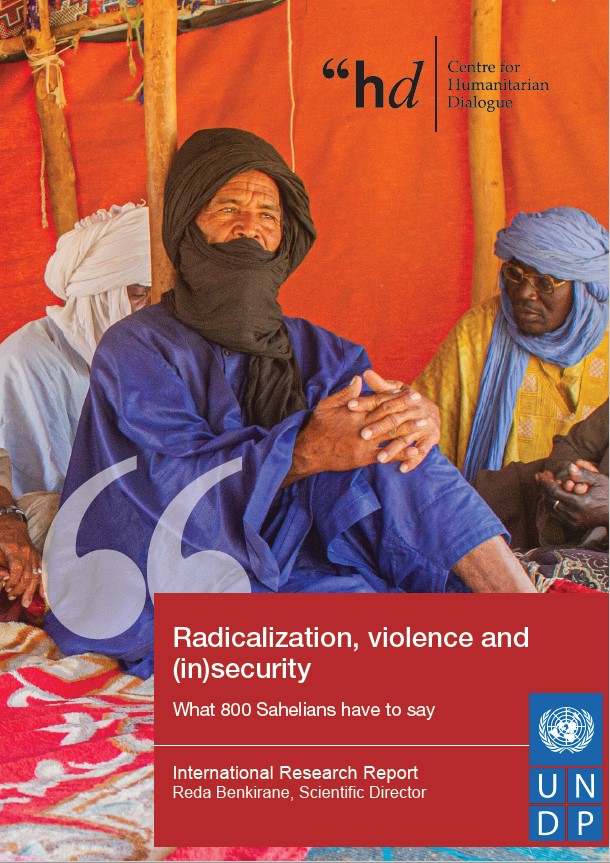
Que disent les Mauritaniens, Maliens, Bourkinabés ou Camerounais de la radicalisation islamiste? Quel rôle prêtent-ils aux djihadistes dans la violence et lʹinsécurité qui règnent au Sahel? Un rapport intitulé “Radicalisation, extrémisme violent et insécurité au Sahel”, basé sur 800 interviews, a été présenté à Genève par Réda Benkirane, Isaïe Dougnon et Claude Mbowou. Fabien Hünenberger a rencontré les trois chercheurs pour en parler. Par ailleurs, il sʹest entretenu avec Sébastien Chadaud-Pétronin, fils dʹune otage détenue par des djihadistes au Mali.

Le Sahel tel quʹil est perçu par ses populations

Sous les pavés, Espace 2, RTS, émission d’Anik Schuin, avec la collaboration de Nicole Corpataux, 24 novembre 2018, La Première, 25 novembre 2018

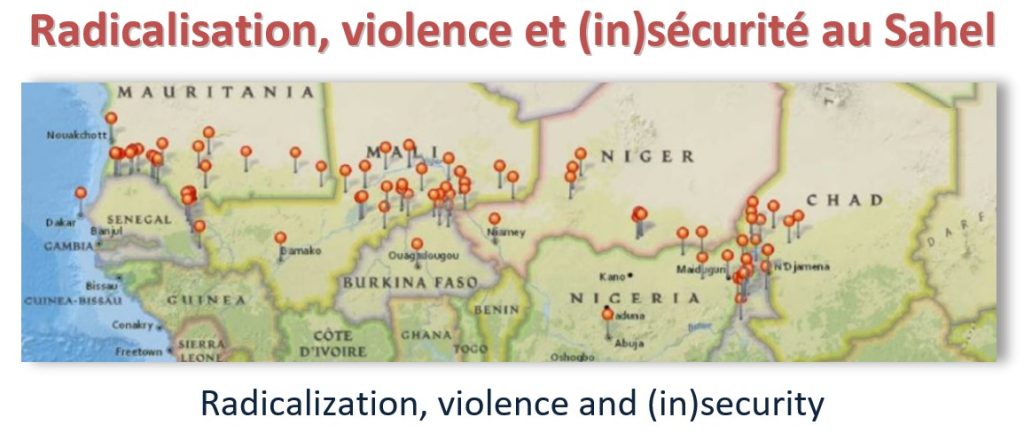
Le Sahel est une vaste région dont nous avons une image floue, voire floutée. Une région arpentée par les hommes et leurs négoces, irriguée par des cultures diverses mais traversée aussi par des trafics illicites, la drogue venant dʹAmérique du sud, les armes qui finissent dans les mains des extrémistes sans oublier les enlèvements dʹoccidentaux. Mandatés par le PNUD et le Centre pour le dialogue humanitaire de Genève, le sociologue genevois dʹorigine marocaine Reda Benkirane a dirigé une recherche sur le terrain, fort dʹune soixantaine dʹenquêteurs locaux courageux qui ont su approcher des populations avides dʹêtre écoutées et entendues. Un rapport international vient dʹêtre rendu public qui analyse la radicalisation, la violence et lʹinsécurité au Sahel telle quʹelle est perçue, et là réside lʹoriginalité et la richesse de la démarche, par les sahéliens eux-mêmes. Une occasion de mieux connaître une région secouée par une crise sociétale et culturelle et de sʹouvrir à des réflexions et conclusions qui peuvent parfois surprendre, voire déranger, cʹest ce que nous explique Reda Benkirane. 

Penser la complexité. Science.ch

Penser la complexité. Rencontre avec Réda Benkirane à propos de son livre « La Complexité, vertiges et promesses ».

Emission Sciences.ch, Radio Suisse Romande, Espace 2, production Anne-Marie Rhyn, 11 avril 2003, 25 mn

Terrorism: Report to the United Nations

First Independent Evaluation Report of UN Counter-Terrorism Programs
Extracts from the Independent Meta-synthesis under the Global Counter-Terrorism Strategy, United Nations, December 2021.
Independent synthesis report prepared by an external evaluation team consisting of Punit Arora (Team Leader), Reda Benkirane (CounterTerrorism Expert) and Xiomara Chavez (Evaluation Expert) at the request of the  United Nations Global Counter-Terrorism Coordination Compact 

Edge Dynamics Program

Edge Dynamics
Innovations in Mind, Behaviour, and Culture

As part of its activities, the Chair aims to deepen the specifically human and social dimensions of complexity through emulation and implementation of multidisciplinary approaches, transversality, and critical thinking. Our ambition is to support the various stakeholders of UM6P in the context of ongoing transformation and learning processes. The acquisition of “transdisciplinarity” tools will reinforce their autonomy and equip them with a humanistic and civic culture. 

With these goals in mind, we are developing a program to raise awareness of cultural, mental, and behavioural dynamics. The multidisciplinary initiative, called Edge Dynamics, will encourage students to harness their full physical, psychological, and relational potential. In collaboration with administrators, educators, and researchers working on cross-disciplinary projects related to student life, our educational purpose is to stimulate not only the “head” and “hands” but also the “heart”. Our ambition is to both contribute to existing initiatives and develop new activities that emphasize a specific emerging phenomenon, the edge effect.
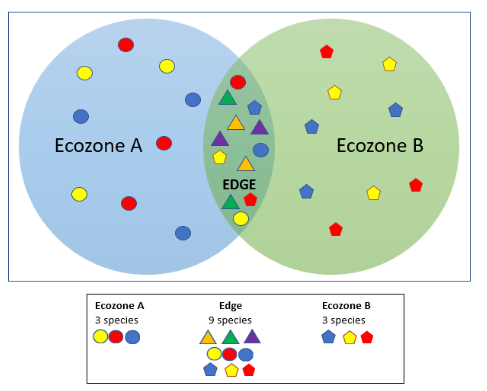
The edge effect is a concept of ecology that illustrates how change and dynamics occur in spaces of transition, borders, thresholds, between different habitats, environments, etc. The edge effect accounts for the multiplicity and richness of living beings in these transitional zones. Studies have shown that the plurality prevalent in certain conjoined ecosystems generates dynamism and creativity not found in these same environments viewed separately. This ecological phenomenon has also been demonstrated in sociocultural environments.

With this program, the Chair aims to work with students to ensure that they can thrive on the edge and beyond the digital transformation in the social and cultural spheres. Ultimately, Edge Dynamics will seek to promote and support all initiatives connected to academic learning, as well as adjacent activities related to student life that contribute to personal growth and the creative potential of one’s personality. Accordingly, the program aims to support students in exploring and articulating three dimensions of their lives within and outside of UM6P:

  1. their relationship with the world: the intercultural dimension
  2. their relationship with others: the interpersonal dimension
  3. their relationship with themselves: the intrapersonal dimension. 

Learn more here.


Dynamiques de lisière
Innovations mentale, comportementale et culturelle

Dans le cadre de ses activités, la Chaire vise à approfondir les dimensions spécifiquement humaines et sociales de la complexité à travers l’émulation et la mise en œuvre d’approches pluridisciplinaires, de la transversalité et de la pensée critique. Notre ambition est d’accompagner les différents acteurs de l’UM6P dans le cadre des processus de transformation et d’apprentissage en cours. L’acquisition d’outils de “transdisciplinarité” renforcera leur autonomie et leur dotera d’une culture humaniste et citoyenne.

Dans cet esprit, nous développons un programme de sensibilisation aux dynamiques culturelles, mentales et comportementales. L’initiative pluridisciplinaire, baptisée Edge Dynamics, encouragera les étudiants à exploiter pleinement leur potentiel physique, psychologique et relationnel. En collaboration avec les administrateurs, les éducateurs et les chercheurs travaillant sur des projets transdisciplinaires liés à la vie étudiante, notre objectif pédagogique est de stimuler non seulement la “tête” et les “mains” mais aussi le “cœur”. Notre ambition est à la fois de contribuer aux initiatives existantes et de développer de nouvelles activités qui mettent en avant un phénomène émergent spécifique, l’effet de bord.

L’effet de bord est un concept d’écologie qui illustre comment le changement et la dynamique se produisent dans les espaces de transition, les frontières, les seuils, entre différents habitats, environnements, etc. L’effet de bord explique la multiplicité et la richesse des êtres vivants dans ces zones de transition. Des études ont montré que la pluralité qui prévaut dans certains écosystèmes conjoints génère un dynamisme et une créativité que l’on ne retrouve pas dans ces mêmes environnements considérés séparément. Ce phénomène écologique a également été démontré dans les environnements socioculturels.

Avec ce programme, la Chaire vise à travailler avec les étudiants afin de s’assurer qu’ils puissent s’épanouir à la pointe et au-delà de la transformation numérique dans les sphères sociales et culturelles. À terme, Edge Dynamics cherchera à promouvoir et à soutenir toutes les initiatives liées à l’apprentissage académique, ainsi que les activités parallèles liées à la vie étudiante qui contribuent à la croissance personnelle et au potentiel créatif de la personnalité. En conséquence, le programme vise à soutenir les étudiants dans l’exploration et l’articulation de trois dimensions de leur vie à l’intérieur et à l’extérieur de l’UM6P :

  1. Leur relation avec le monde : la dimension interculturelle
  2. Leur relation avec les autres : la dimension interpersonnelle
  3. Leur relation avec eux-mêmes : la dimension intrapersonnelle

Pour en savoir plus, cliquer ici  


ديناميات الحافة
الابتكارات في العقل، السلوك، والثقافة

كجزء من أنشطته، يهدف الكرسي إلى تعميق الأبعاد الإنسانية والاجتماعية للتعقيد من خلال محاكاة وتنفيذ مناهج متعددة التخصصات للتقاطع والتفكير النقدي. طموحنا هو دعم مختلف الجهات الفاعلة في جامعة محمد السادس متعددة التخصصات كجزء من عملية التعلم المستمرة. إن اكتساب أدوات “التجاوز المنهجي” سيعزز استقلاليتهم ويزودهم بثقافة إنسانية ومدنية.

‎ ‎ومن هذا المنطلق، قمنا بتطوير برنامج لرفع مستوى الوعي بالديناميكيات الثقافية والعقلية والسلوكية. ستشجع المبادرة متعددة التخصصات، والتي تسمى «Edge Dynamics» ، الطلاب على استغلال إمكاناتهم الجسدية والنفسية والعلائقية بشكل كامل. بالتعاون مع الإداريين والمعلمين والباحثين العاملين في مشاريع متعددة التخصصات تتعلق بالحياة الطلابية، هدفنا التعليمي ليس فقط تحفيز “الرأس” و”الأيدي” ولكن أيضًا “القلب”. طموحنا هو في نفس الوقت المساهمة في المبادرات الحالية وتطوير أنشطة جديدة تسلط الضوء على ظاهرة ناشئة محددة، وهي الآثار الجانبية.

‎تأثير الحافة هو مفهوم في علم البيئة يوضح كيفية حدوث التغيير والديناميكيات في المساحات الانتقالية، والحدود، والعتبات، بين الموائل والبيئات المختلفة، وما إلى ذلك. يشرح تأثير الحافة تعدد وثراء الكائنات الحية في هذه المناطق الانتقالية. وقد أظهرت الدراسات أن التعددية السائدة في بعض النظم البيئية المشتركة تولد ديناميكية وإبداعا لا يوجد في نفس هذه البيئات إذا نظرنا إليها بشكل منفصل. وقد تجلت هذه الظاهرة البيئية أيضًا في البيئات الاجتماعية والثقافية.

‎‎من خلال هذا البرنامج، يهدف الكرسي إلى العمل مع الطلاب لضمان قدرتهم على مواكبة التحول الرقمي في المجالات الاجتماعية والثقافية وما بعده. في نهاية المطاف، ستسعى «Edge Dynamics» إلى تعزيز ودعم جميع المبادرات المتعلقة بالتعلم الأكاديمي، بالإضافة إلى الأنشطة الموازية المتعلقة بالحياة الطلابية التي تساهم في النمو الشخصي والإمكانات الإبداعية . وبناء على ذلك، يهدف البرنامج إلى دعم الطلاب في استكشاف وتوضيح ثلاثة أبعاد لحياتهم داخل وخارج جامعة محمد السادس:

  • علاقتهم بالعالم: البعد الثقافي
  • علاقتهم بالآخرين: البعد بين الأفراد
  • علاقتهم مع أنفسهم: البعد الشخصي

لمعرفة المزيد، انقر هنا

Sahel: Radicalization, Violence and (In)Security

What 800 Sahelians have to say. Perception study on the drivers of insecurity and violent extremism in the border regions of the Sahel, under the direction of Reda Benkirane, The Centre for Humanitarian Dialogue /UNDP, 2016. [version française / emission Geopolitis / émissions Sous les pavés, Babel

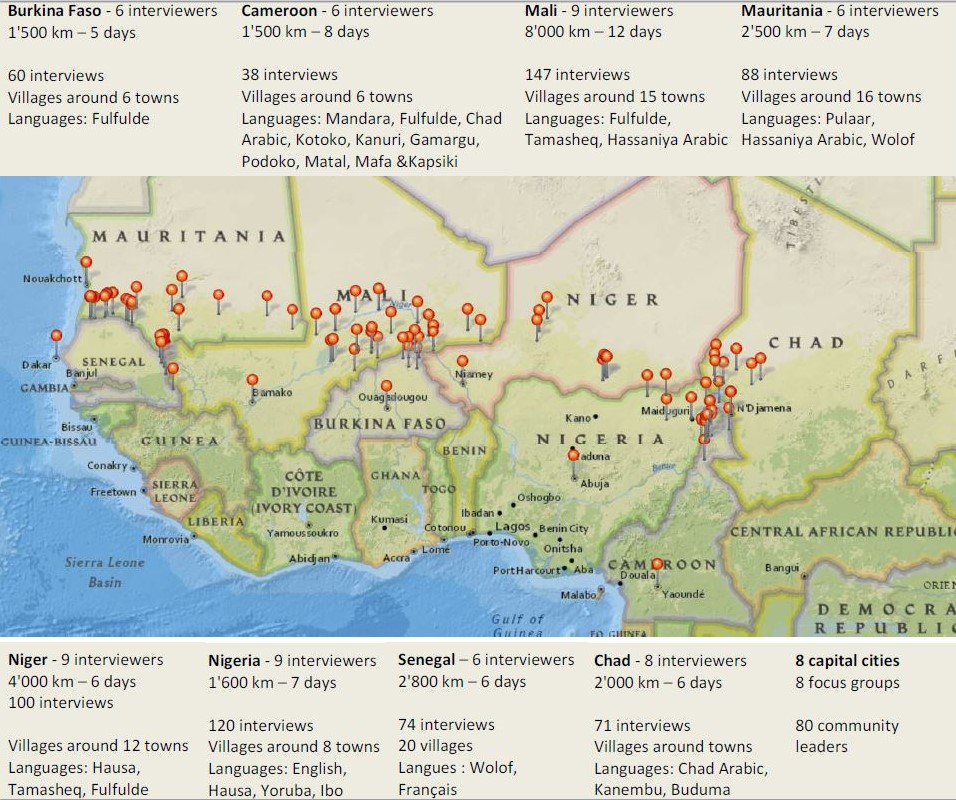
In 2015, with the financial support of Japan, the United Nations commissioned the Centre for Humanitarian Dialogue to carry out a research on radicalization and violence in the Sahel. Eight countries to cover, a personnel of one hundred social scientists is deployed to collect and treat 800 interviews with inhabitants from border areas which are the most exposed to armed violence and insecurity.


This research notebook exposes the common methodology as well as the main results and observations of this unprecedented field survey on radicalization – the first of its kind on the issue of perception studies.


Ce que disent 800 sahéliens. Études des perceptions des facteurs d’insécurité et d’extrémisme violent dans les régions frontalières du Sahel, sous la direction de Réda Benkirane. Centre pour le dialogue humanitaire / Programme des Nations Unies pour le Développement (PNUD), 2016.

En 2015, avec le soutien financier du Japon, les Nations Unies commandent auprès du Centre pour le dialogue humanitaire une recherche sur la radicalisation et la violence armée au Sahel. Huit pays à couvrir: Mauritanie, Sénégal, Mali, Burkina Faso, Niger, Nigeria, Tchad, Cameroun. Un personnel scientifique d’une centaine de personnes est déployé pour recueillir et traiter les entretiens de 800 habitants des zones transfrontalières les plus exposées à la violence armée et à l’insécurité. Ce carnet de recherche expose la méthodologie commune ainsi que les observations et les résultats principaux de cette enquête de terrain sans précédent sur la radicalisation – la première en son genre sur l’étude des perceptions.


Sahel, djihad sans frontière
Geopolitis, Radio Télévision Suisse, RTS 2, 09/12/2018, TV5 Monde 16/12/2018

People

Reda Benkirane – Chair / Affiliate Full Professor

Reda Benkirane, sociologist and anthropologist, is a researcher in social sciences and an expert in international relations who has been working for UN agencies and NGOs for more than thirty years. His empirical research covers mainly urbanization, complexity, radicalism, and contemporary issues on Islam.

Read more about his bio-bibliography here.

Email: reda.benkirane[at]um6p.ma


Nicolas Sperry-Guillou – Edge Dynamics Program Director 

Nick is a French-American academic manager and social science researcher. He holds an MA in Sociology of Religion, focusing his research on religious diversity in contemporary societies. He is currently pursuing a PhD with the University of Toulouse, studying the emergence of social dynamics within ecotones. Nick has a well-honed skill set in project management and instructional design and has successfully led academic programs and facilitated transformative change within organizations. 

Nick leads various initiatives within the Chair, including the Edge Dynamics program and several editorial and translation projects.

Email: nicolas.sperry-guillou[at]um6p.ma


Fadoua Mhidia – Post-Doctoral Researcher 

Fadoua Mhidia holds a PhD in social sciences from the International University of Rabat (UIR). She trained in Political Science through a joint programme between EGE Rabat and USJ Beirut, earned a Master’s in Development Studies from Paris 1 Panthéon-Sorbonne in 2014, and gained professional experience in national and international development cooperation before turning to academic research. 
Her research examines the social, political, and epistemic effects of technical devices. Her doctoral work documented the transformations induced by two social protection policies in Morocco, the Tayssir cash transfer programme (2008-2023) and the generalisation of social coverage,  analysing how econometric and algorithmic targeting reconfigures the forms of classification and government of populations.
Her postdoctoral project shifts the inquiry from the effects of technical devices to the conditions that make them possible: what imaginaries and knowledge systems does a society mobilise when it adopts a technology as its own?

Email: fadoua.mhidia[at]um6p.ma


Samia Erraji – Student Associate 

Samia is a third-year student at UM6P’s Green Tech Institute pursuing a Bachelor’s degree in Industrial Operations and Digitalization. She gained practical experience through an internship at the Green Energy Park, where she focused on renewable energy and smart building projects. Additionally, she completed a digitalization project at Dolidol, where she worked on automating a real-time monitoring system for production processes.

Samia is also involved in volunteer work, particularly educational outreach through the university’s Social Experience Program. Additionally, she serves as an Innovation Entrepreneurship Lab ambassador, helping organize events and support entrepreneurial initiatives.

Email: samia.erraji[at]um6p.ma

Anthropo-logiques I: Nous autres & l’universalisme français

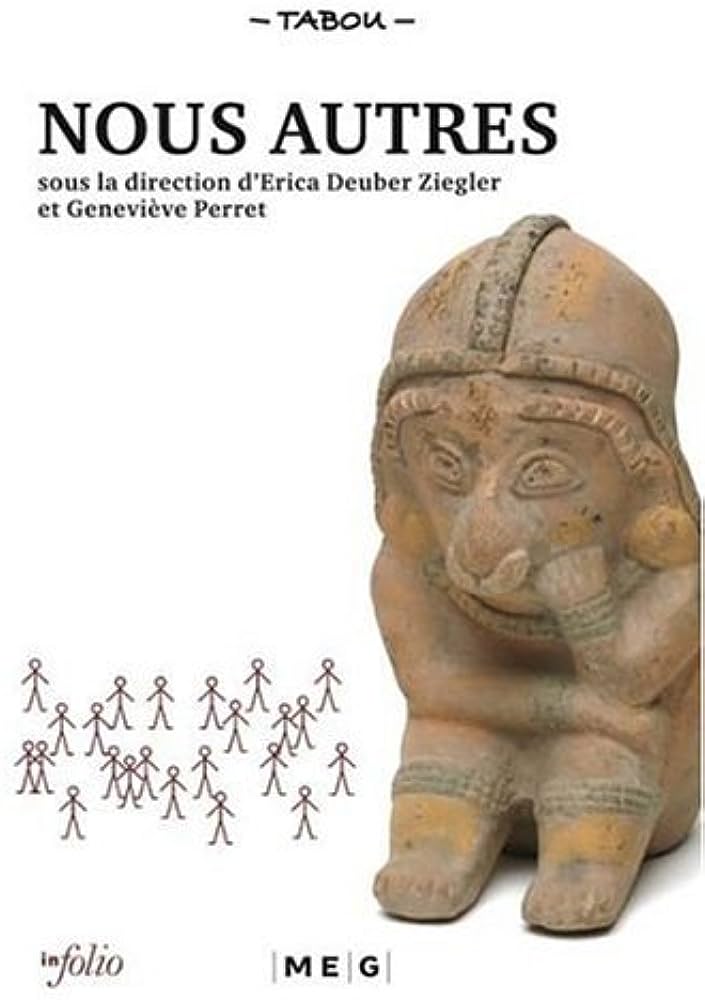
Réda Benkirane « La crise de l’universalisme français », Nous autresSous la direction d’Erica Deuber Ziegler et Geneviève Perret, Gollion: Infolio éditions / Genève: Musée d’ethnographie, collection tabou 1, 2005.


Nous autres, Sous la direction d’Erica Deuber Ziegler et Geneviève Perret
Gollion: Infolio éditions / Genève: Musée d’ethnographie, collection tabou 1, 2005.

[en libre accès depuis le site web du MEG]

Si l’utilité sociale de l’anthropologie est sans cesse rappelée par les événements contemporains, les replis identitaires, les barbaries commises au nom d’une religion ou d’une culture, la construction sociale de soi, de l’autre et de leurs relations, la production de barrières, de rapports de forces et de hiérarchies dans les sociétés et entre les sociétés, montrent qu’il y a un besoin permanent de déconstruire les stéréotypes et les croyances qui justifient et fondent les rapports entre les humains.

Reda Benkirane – ABS/UM6P

Chair of Complexities ∞ Humanities, Affiliate Full Professor, Africa Business School, UM6P.
Senior Lecturer, University of Fribourg
Research Affiliate at the Wolfram Institute
Research Associate at the Laboratoire d’Analyse des Sociétés et Pouvoirs/Afrique – Diaspora (Laspad, Gaston Berger University, Saint-Louis of Senegal)

Email: reda.benkirane[at]um6p.ma 
                                          [at] to be replaced with @ 

Expertise
Complexity, interdisciplinarity, scientific and digital humanities, identity, globalization, religion and politics, conflict-resolution initiatives, humanitarian issues, peace studies, intercultural and inter-religious dialog, faith-based groups, contemporary Islam, MENA & Sahel regions, radicalization, armed violence, security policies.

International Experience
Europe, MENA, Sahel

Biography
Reda Benkirane, sociologist and anthropologist, holds a Doctorate in philosophy from the University of Lyon, an Mphil in urban sociology and cultural anthropology and a Master in development studies from the Graduate Institute of International and Development Studies (Geneva).  For more than 30 years, he has been working as an expert in international affairs for NGOs and UN agencies. In parallel, he has been involved in various research activities on critical social, political, cultural and scientific issues.  He has participated in the creation and set-up of many international initiatives – including an NGO and a research centre.

Research areas and methodology
His multidisciplinary approach and empirical knowledge accumulated throughout his international experience constitute the basis of his current teaching and research activities.
His four main areas of research since 1988:

  • Urban space, housing and poverty
  • Complexity and non-linear sciences 
  • Radicalization and violence
  • Contemporary Islam 

His methodological approach:

  • Heuristics of dialog (for an access to a knowledge otherwise out of reach)
  • Semi-directive interviews
  • Sustained attention to otherness
  • Deep listening to the voiceless
  • Participant observation

Complete CV and Bibliography

Main Publications
BooksBooks editedContributed chaptersReports to the United NationsResearch notebooks

_________________________________

Main Publications
Books

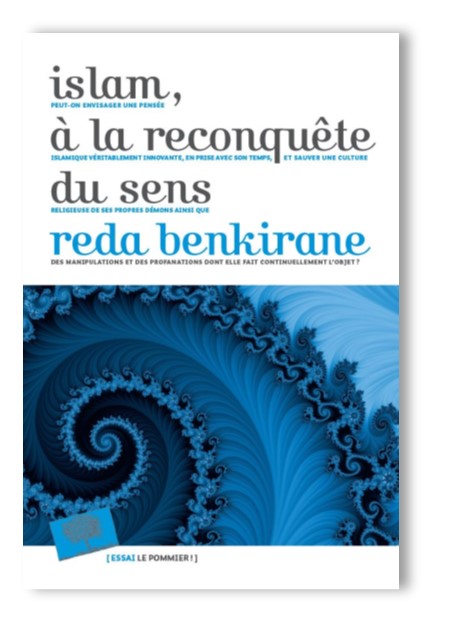
Réda Benkirane, Islam, à la reconquête du sens. Paris, Le Pommier, 512 pages, 2017.
Nouvelle édition, Casablanca, La Croisée des Chemins, 544 pages, 2021.
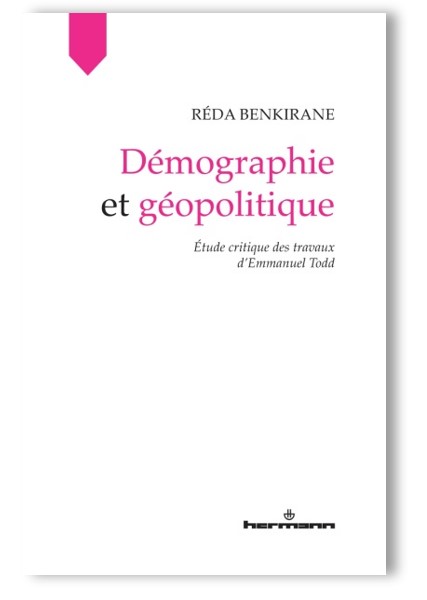
Réda Benkirane, Démographie et géopolitique. Etude critique des travaux d’Emmanuel Todd, Paris, éditions Hermann, 2015, 148 pages.
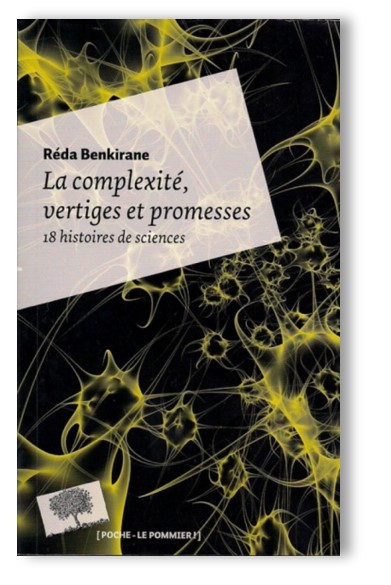

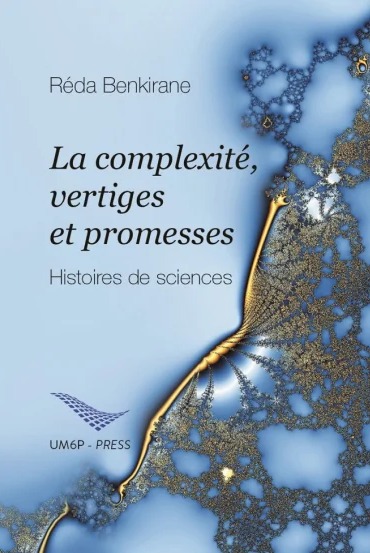
Réda Benkirane, La Complexité, vertiges et promesses. Dix-huit histoires de sciences. Paris, Le Pommier, 408 pages, 2013, 2006. 2002. Traduit en italien et portugais.
Nouvelle édition, Benguerir, UM6P-Press, 2023

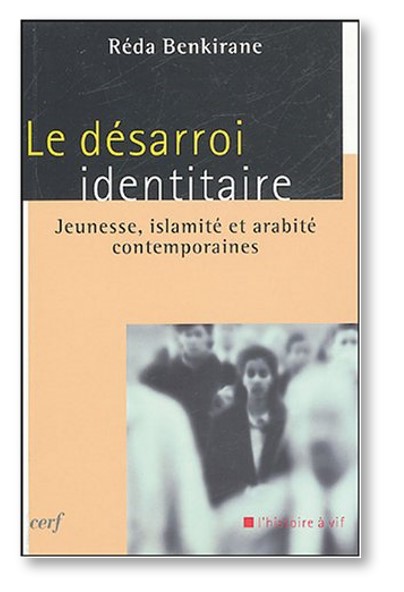
Réda Benkirane, Le désarroi identitaireJeunesse, islamité et arabité contemporaines. Préface de Salah Stétié, Paris, Editions du Cerf, 352 pages, 2004.

Reparu aux Editions La Croisée des Chemins, Casablanca, 2012


Books Edited

Religion et État. Logiques de la sécularisation et de la citoyenneté,
co-edited with RiccardoBocco and Catherine Germond, Dossier Maghreb-Machrek, No 224-225, Paris, Editions Skira,06/2016.

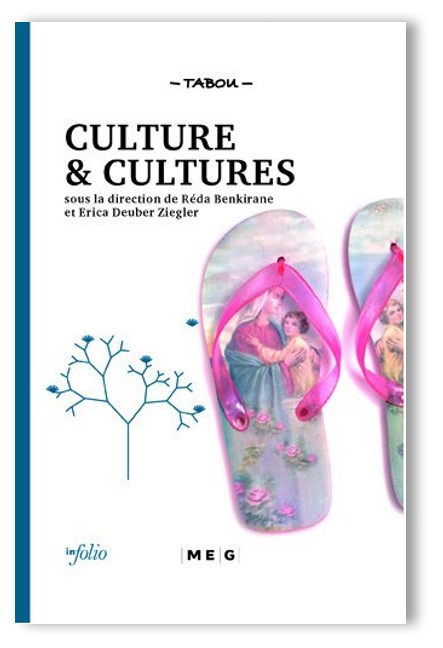
Culture & cultures. Les chantiers de l’ethnoSous la direction de Réda Benkirane et Erica Deuber Ziegler, avant-propos d’Edgar Morin, Gollion: Infolio éditions / Genève: Musée d’ethnographie, coll. tabou 3, 2006.

Jacques Berque. Quel Islam? Avant-propos et postface de Réda Benkirane, Sindbad – Actes Sud, Paris, 2003. Traduit en arabe.


Contributed Chapters 

Contributions on Nagarjuna and Ibn Tufayl
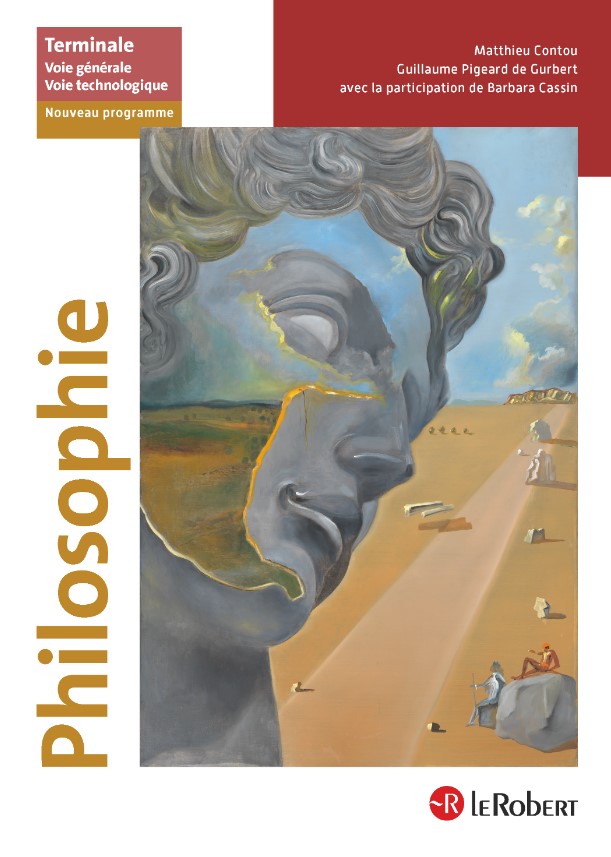
Manuel philosophie terminale
, edited by Matthieu Contou and Guillaume Pigeard de Gurbert, with the participation of Barbara Cassin, éditions Le Robert, 2020.

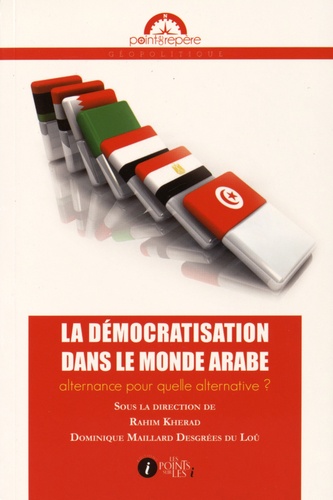
« Quelle démocratie dans le monde arabo-musulman? »,
La démocratisation dans le monde arabe : alternance pour quelle alternative ? 
 sous la direction de Rahim Kherad etDominique Maillard Desgrées du Loû,
Paris, Editions Les points sur les i, 2015.
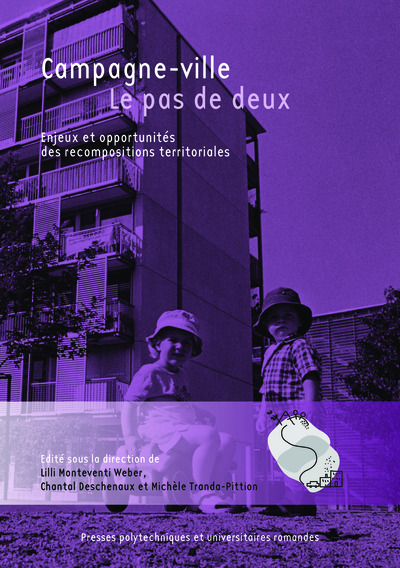
« La complexité, grille de lecture du monde contemporain », Campagne-ville : Le pas de deux. Enjeux et opportunités des recompositions territoriales.
 Sous la direction de Lilli Monteventi Weber, Chantal Deschenaux, Michèle Tranda-Pittion, Communauté d’études pour l’aménagement du territoire (CEAT), EPFL, Presses polytechniques et universitaires romandes, Lausanne, 2008.
« La crise de l’universalisme français », Nous autres, Sous la direction d’Erica Deuber Ziegler et Geneviève Perret, Gollion: Infolio éditions / Genève: Musée d’ethnographie, coll.tabou 1, 2005.

Reports to the United Nations

Meta-Synthesis under the UN Global Counter-Terrorism Strategy, United Nations, October 2021. Independent synthesis report prepared by Punit Arora, Reda Benkirane and Xiomara Chavez. 
 

Research Notebooks


http://sahelradical.hypotheses.org

http://iqbal.hypotheses.org