Le leader serviteur : sens et puissance d’un dévouement altruiste – Wafae Hajjani
Category: Uncategorized
Science Week 2025 – Le Vivant: rétrospective et prospective
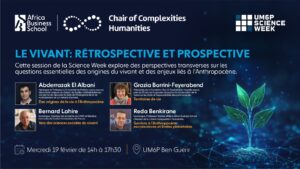
Le 19 février 2025, la Chaire Complexités ∞ Humanités a organisé une session intitulée « Le Vivant : rétrospective et prospective », dans le cadre de la Science Week 2025 de l’UM6P.
Comment et quand est apparue la vie multicellulaire complexe? Comment les sciences sociales et humaines peuvent-elles dialoguer et interagir avec les sciences du vivant? Peut-on encore préserver la diversité du vivant, intriquer à nouveau nature et culture, relier sociétés humaines et animales? Une politique du vivant est-elle envisageable? L’humanité peut-elle survivre à ses impacts biosphérique et géologique?
Afin d’explorer ces thématiques, des chercheurs internationaux ont partagé leurs réflexions sur l’avenir de la science et de l’humanité.
𝗔𝗯𝗱𝗲𝗿𝗿𝗮𝘇𝗮𝗸 𝗘𝗟 𝗔𝗟𝗕𝗔𝗡𝗜 – 𝘋𝘦𝘴 𝘰𝘳𝘪𝘨𝘪𝘯𝘦𝘴 𝘥𝘦 𝘭𝘢 𝘷𝘪𝘦 𝘢 𝘭’𝘈𝘯𝘵𝘩𝘳𝘰𝘱𝘰𝘤𝘦𝘯𝘦
𝗕𝗲𝗿𝗻𝗮𝗿𝗱 𝗟𝗔𝗛𝗜𝗥𝗘 – 𝘝𝘦𝘳𝘴 𝘥𝘦𝘴 𝘴𝘤𝘪𝘦𝘯𝘤𝘦𝘴 𝘴𝘰𝘤𝘪𝘢𝘭𝘦𝘴 𝘥𝘶 𝘷𝘪𝘷𝘢𝘯𝘵
𝗚𝗿𝗮𝘇𝗶𝗮 𝗕𝗢𝗥𝗥𝗜𝗡𝗜-𝗙𝗘𝗬𝗘𝗥𝗔𝗕𝗘𝗡𝗗 – 𝘛𝘦𝘳𝘳𝘪𝘵𝘰𝘪𝘳𝘦𝘴 𝘥𝘦 𝘷𝘪𝘦
𝗥𝗲𝗱𝗮 𝗕𝗘𝗡𝗞𝗜𝗥𝗔𝗡𝗘 – 𝘚𝘶𝘳𝘷𝘪𝘷𝘳𝘦 𝘢 𝘭’𝘈𝘯𝘵𝘩𝘳𝘰𝘱𝘰𝘤𝘦𝘯𝘦 : 𝘦𝘹𝘤𝘳𝘰𝘪𝘴𝘴𝘢𝘯𝘤𝘦𝘴 𝘦𝘵 𝘭𝘪𝘮𝘪𝘵𝘦𝘴 𝘱𝘭𝘢𝘯𝘦𝘵𝘢𝘪𝘳𝘦𝘴
Débat avec le public
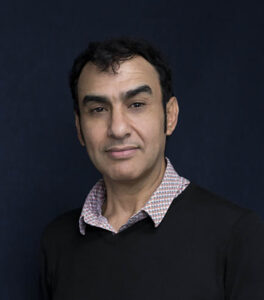 |
Abderrazak El Albani est géologue et professeur à l’Université de Poitiers, connu pour sa découverte majeure au Gabon de fossiles multicellulaires qui ont permis de repousser la date de l’émergence de la vie multicellulaire de 1,5 milliard d’années. Ses travaux ont plusieurs fois eu un impact déterminant faisant l’objet des couvertures des revues Nature et Science, comme pour le cas de sa découverte au Maroc de deux nouvelles espèces de trilobites fossiles vieux de 515 millions d’années. Il est co-auteur notamment de Comment tout a commencé sur la Terre. Le récit d’une incroyable découverte (humenSciences, 2020) et de Aux origines de la vie – une nouvelle histoire de l’évolution (Dunod, 2016). |
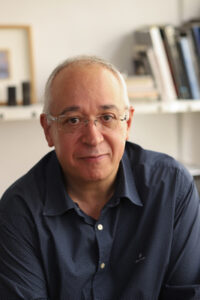 |
Bernard Lahire est sociologue, directeur de reherche au CNRS et membre honoraire de l’Institut Universitaire de France. Affilié à l’Ecole Normale Supérieure de Lyon, ses travaux portent sur la socialisation pendant l’enfance, la culture et les inégalités sociales. Il est l’auteur de très nombreux ouvrages dont L’Homme pluriel (Nathan, 1998), Monde pluriel : penser l’unité des sciences sociales (Seuil, 2012), Les structures fondamentales des sociétés humaines (La Découverte, 2023) et Vers une science sociale du vivant (La Découverte, 2025). |
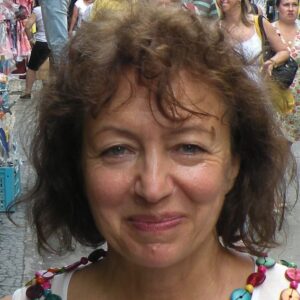 |
Grazia Borrini-Feyerabend travaille depuis près de trente ans sur la gouvernance pour la conservation de la nature et les droits et responsabilités des communautés, souvent en étroite collaboration avec l’Union internationale pour la conservation de la nature (UICN), pour laquelle elle a développé et mis en œuvre le programme de politique sociale au début des années 1990. Elle est actuellement présidente de la Fondation Paul K. Feyerabend. En 2014, elle a reçu le Fred Packard International Parks Merit Award. Elle vient de publier Territories of Life. Exploring vitality of governance for conserved and protected areas (The ICCA Consortium, 2024). |
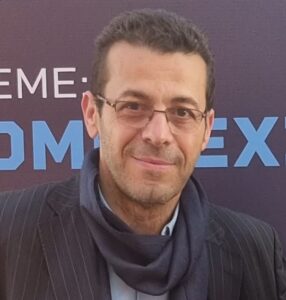 |
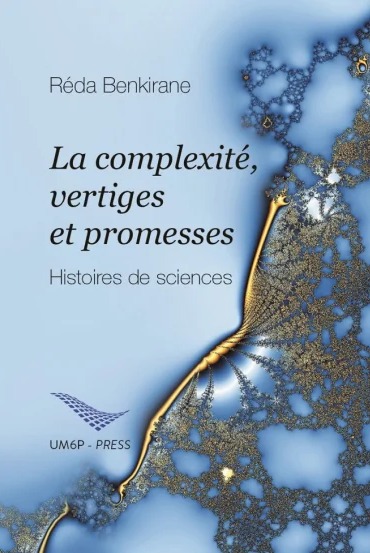
Reda Benkirane, sociologue, professeur titulaire affilié à l’Africa Business School, dirige la Chaire Complexités ∞ Humanités. Il enseigne également à l’université de Fribourg (Suisse). Il est expert en affaires internationales auprès d’agences des Nations-Unies, d’ONGs et d’institutions culturelles et médiatiques. Ses recherches empiriques ont porté principalement sur l’urbanité, la complexité, la radicalité et l’islamité. ll est l’auteur de plusieurs ouvrages dont notamment La Complexité, vertiges et promesses. Histoires de sciences (UM6P-Press, 2023, Le Pommier, 2013). |
Contre-pouvoirs. Penser, agir et résister dans la complexité. Miguel Benasayag
Science Week 2023 / Impromptu Conversations Impromptues
Here is a series of conversations and interviews conducted by the UM6P team with some of the speakers from the UM6P Science Week event on Complexity.
Ivar Ekeland, mathematician and economist
David Napier, anthropologist
Luc Steels, computer scientist
David Chavalarias, mathematician
Dany-Robert Dufour, philosopher
Reliance

Below are links to some of the most important centers, institutes, and laboratories working on the sciences of complexity and non-linearity or exploring social, educational, or philosophical issues through interdisciplinary approaches.
Vous trouverez ci-dessous des liens vers certains des centres, instituts et laboratoires les plus importants travaillant sur les sciences de la complexité et de la non-linéarité ou explorant des questions sociales, éducatives ou philosophiques par le biais d’approches interdisciplinaires.
- Center for Complex Systems and Brain Sciences, Florida Atlantic University
- Raton, FL, USA https://ccs.fau.edu/
- Center for the Study of Complex Systems (CSCS), University of Michigan
- Ann Arbor, MI, USA https://lsa.umich.edu/cscs
- Center Leo Apostel (CLEA) for transdisciplinary research, VUB
- Brussells, Belgique https://clea.research.vub.be/
- Centre for Complex Systems, The University of Sydney
- Centre for Complex Systems (CCS), Université d’Utrecht
- Utrecht, Netherlands https://www.uu.nl/en/research/centre-for-complex-systems-studies-ccss
- Centro de Ciencias de la Complejidad, Universidad Nacional Autónoma de México
- Mexico City, Mexico https://www.c3.unam.mx/
- Chaire Reliance en Complexité, Université de Montpellier
- Montpellier, France https://www.reliance-en-complexite.org/
- Complex Systems Institute, Université de Caroline du Nord
- Charlotte, NC, USA https://complexity.charlotte.edu/
- Complex Systems Society
- Complexity Science Hub
- Vienne, Autriche https://csh.ac.at/
- Harvard Radcliffe Institute, Harvard University
- Cambridge, MA, USA, https://www.radcliffe.harvard.edu/
- Institut des Systèmes Complexes Paris Île-de-France (ISC-PIF)
- Paris, France https://iscpif.fr/
- Institut des Systèmes Complexes de Normandie (ISCN), Université Le Havre Normandie
- Le Havre, France https://iscn.univ-lehavre.fr/
- Institut e of Complex Systems, University of Barcelona
- Barcelona, Spain https://www.ubics.net/
- Institut Rhônalpin des Systèmes Complexes (IXXI)
- Lyon, France https://www.ixxi.fr/
- Institute for New Economic Thinking (INET), Oxford University
- Oxford, UK https://www.inet.ox.ac.uk/
- Max Planck Institute for Dynamics and Self-Organization
- Göttingen, Allemagne https://www.ds.mpg.de/en
- Northwestern Institute on Complex Systems (NICO), Northwestern University
- Evanston, IL, USA https://www.nico.northwestern.edu/
- Laboratoire de physique des systèmes complexes, EPFL
- Lausanne, Suisse https://www.epfl.ch/labs/pcsl/
- Réseau Intelligence de la Complexité
- Paris, France https://www.intelligence-complexite.org/
- Santa Fe Institute
- Santa Fe, NM, USA https://www.santafe.edu/
- Schumacher College
- Dartington, Royaume-Uni https://campus.dartington.org/schumacher-college-2024/
- The International Bateson Institute
- Munso, Sweden https://batesoninstitute.org/
- Université Populaire Edgar Morin pour la Métamorphose
- Toulouse, France https://upemm.org/
Sample of Courses Offered
Introduction to the Sciences of Complexity, CeDOC
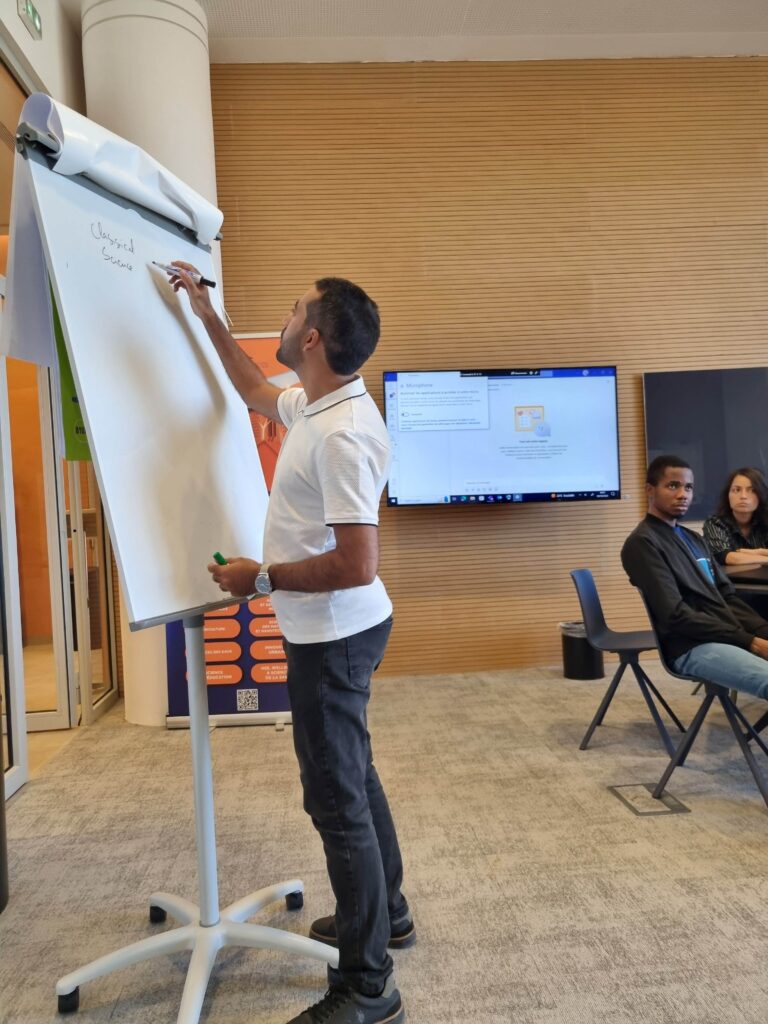 This biannual course for doctoral students is designed to explore the intricate nature of complex systems, focusing on the idea that the whole is more than the sum of its parts. Rooted in disciplines like mathematics, physics, and biology and spanning various fields, the course exposes students to non-linear sciences. It aims to equip participants to understand chaotic, unpredictable, and emergent dynamics that challenge traditional methods. By the end, students will have insights into chaos theory, fractal geometry, self-organization, and emergent properties, developing a new conceptual framework for their research. The course includes lectures, expert interactions, literature reviews, and online resources, encouraging students to apply these concepts to their research and understand the complexity of economic, social, cultural, technological, and natural environments. Topics include emergence, turbulence, swarm intelligence, and societal implications of complexity science.
Complexity Seminar, A Deep Dive into the Sciences of Complexity, ABS
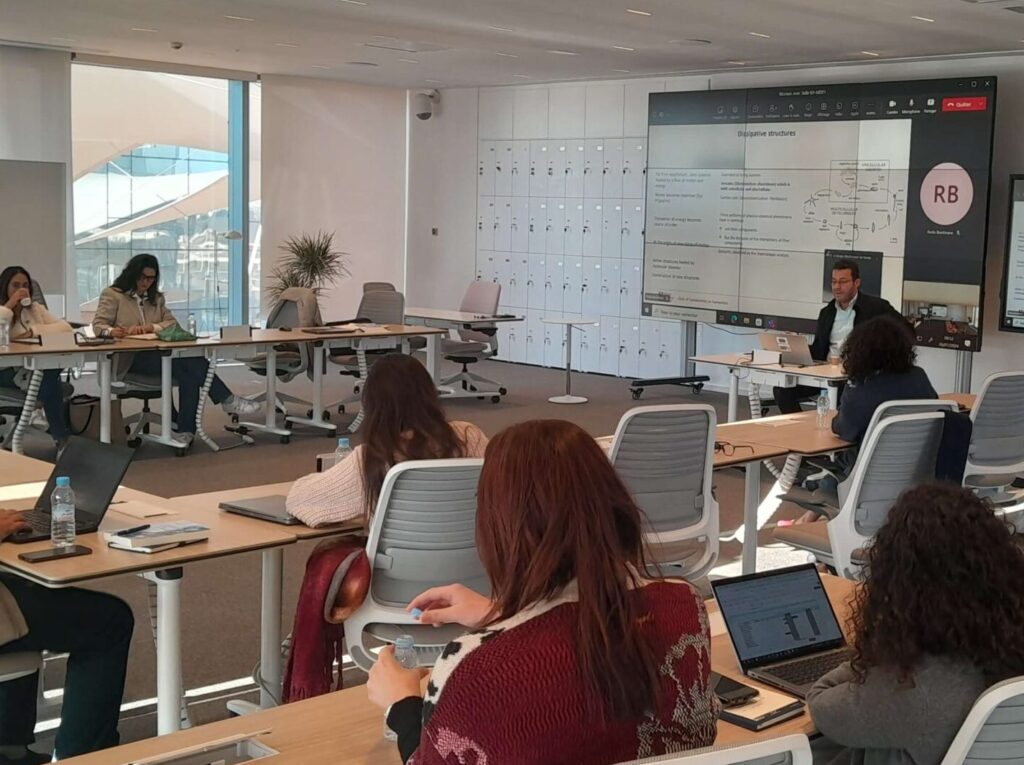
This Complexity Seminar is offered to high-profile managers and organized at Africa Business School. Participants are introduced to complexity science — the study of systems where the whole exceeds the sum of its parts — drawing on mathematics, physics, and biology, while extending into economic, social, cultural, and technological domains. The seminar covers core topics such as chaos theory, fractal geometry, self-organization, and emergent properties, offering participants a new conceptual lens for reading non-linear, unpredictable phenomena that resist classical analytical frameworks.
Change Mindset: Navigating Complexities and Humanities, SHBM
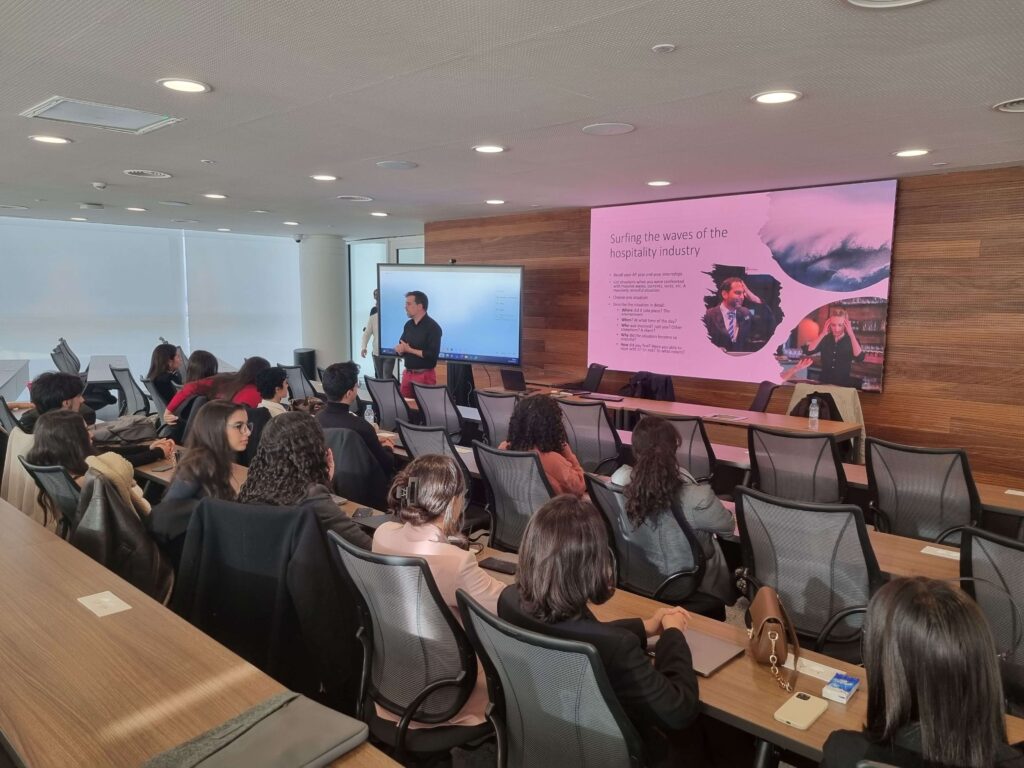 This is an introductory seminar on complexities and humanities that is adapted to the academic and professional settings of SHBM students. The seminar delves into complexity theory and its practical application in the context of various organizations. Students will gain a deep understanding of the principles of complexity, develop analytical skills to navigate complex situations, and learn how to apply complexity thinking to real-world challenges in various sectors.
Complexity Bootcamp, FGSES
Dans le cadre des Bootcamps organisés par le SCALES (Skills Cluster for Agile Learning in Economics & Social Sciences), la Chaire a organisé un bootcamp d’une journée consacré aux sciences de la complexité, ouvert aux étudiants de la FGSES. La session a proposé une introduction transdisciplinaire à la « grammaire » de la complexité, telle qu’elle se décline en mathématiques, en physique et en biologie, en explorant ses implications dans les environnements économiques, sociaux, culturels, technologiques et naturels.
Introduction to the Sciences of Complexity, DBA program ABS
This recurring course is offered to participants in Africa Business School’s DBA program. Designed to foster open, creative exchange among participants, with the core aim of having them share their own research and reflect on how a complexity-science approach could inform their work, culminating in short presentations built on their understanding and application of the course material. Content-wise, it combines lectures on core topics (introduction to complexity science, emergence and self-organization, turbulence, chaos, and randomness, non-Euclidean and fractal geometries, swarm intelligence and artificial intelligence, and complexity from science to society) with review of relevant literature and curated online video resources.
Altérités en/et devenir : Exploring Complexities and Humanities, Cultur.Ed
This hands-on seminar was organised for the participants of the Inspire program at Cultur.Ed. These young students, aged 18 to 30, spend a year acquiring and developing skills in cultural engineering through workshops, seminars, and field trips, producing their own understanding of each topic they explore. For this course, the Chair co-organised with the participants a session for the UM6P Science Week entitled Altérités en/et devenir. Students moderated the session, curated an art and photo exhibition, performed onstage, and more.
Edgar Morin, Le progrès des connaissances a suscité une régression de la pensée
Edgar Morin
Sociologue et philosophe
Texte paru dans Le Monde, 22 janvier 2024 et reproduit avec l’autorisation de l’auteur
English translation by Placide Ngendahayo – Arabic translation by Samia Erraji and Ibitihal Elbanouri

Multiplication des guerres, réchauffement climatique, essor des régimes autoritaires : le monde court au désastre, mais il nous faut résister à la haine, estime le sociologue et philosophe.
S’il est minuit dans le siècle : lorsque Victor Serge a publié le livre qui porte ce titre, en 1939, année du pacte germano-soviétique et du dépeçage de la Pologne, il était effectivement minuit et une nuit irrévocable allait s’épaissir et se prolonger pendant cinq ans.
N’est-il pas minuit dans notre siècle ? Deux guerres sont en cours. Celle d’Ukraine a déjà mobilisé l’aide économique et militaire d’une partie du monde, avec une radicalisation et un risque d’élargissement du conflit. La Russie n’est pas parvenue à annexer l’Ukraine, mais elle se maintient dans les régions antérieurement séparatistes russophones. Le blocus l’a partiellement affaiblie, mais il a aussi stimulé son développement scientifique et technique, notamment dans le domaine militaire. Cette guerre a déjà des conséquences considérables : l’autonomisation diversement avancée du Sud par rapport à l’Occident et le resserrement d’un bloc Russie-Chine.
Un nouveau foyer de guerre s’est allumé au Proche-Orient après le massacre commis par le Hamas le 7 octobre 2023, suivi par les bombardements meurtriers d’Israël sur Gaza. Ces carnages, accompagnés de persécutions en Cisjordanie et de déclarations annexionnistes, ont réveillé la question palestinienne endormie. Ils ont montré à la fois l’urgence, la nécessité et l’impossibilité d’une décolonisation de ce qui reste de la Palestine arabe et de la création d’un Etat palestinien.
Comme nulle pression n’est, ni ne sera, exercée sur Israël pour arriver à une solution à deux pays, on ne peut prévoir qu’une aggravation, voire un élargissement de ce terrible conflit. C’est une leçon tragique de l’histoire : les descendants d’un peuple persécuté pendant des siècles par l’Occident chrétien, puis raciste, peuvent devenir à la fois les persécuteurs et le bastion avancé de l’Occident dans le monde arabe.
La pensée est devenue aveugle
Ces guerres aggravent la conjonction de crises qui frappent les nations, entretenues par l’antagonisme virulent entre trois empires : les Etats-Unis, la Russie et la Chine. Les crises s’entretiennent les unes les autres dans une sorte de polycrise écologique, économique, politique, sociale, civilisationnelle qui va s’amplifiant.
La dégradation écologique affecte les sociétés humaines par leurs pollutions urbaines et rurales, aggravées par l’agriculture industrielle. L’hégémonie d’un profit incontrôlé (cause majeure de la crise écologique) accroît les inégalités dans chaque nation et sur toute la planète. Les qualités de notre civilisation se sont dégradées et ses carences se sont accrues, notamment dans le développement des égoïsmes et la disparition des solidarités traditionnelles.
La démocratie est en crise sur tous les continents : elle se voit de plus en plus remplacée par des régimes autoritaires, qui, en disposant des moyens de contrôle informatique sur les populations et les individus, tendent à former des sociétés de soumission qu’on pourrait appeler néototalitaires. La mondialisation n’a créé aucune solidarité et les Nations unies sont de plus en plus désunies.
Cette situation paradoxale s’insère dans un paradoxe global propre à l’humanité. Le progrès scientifique technique qui se développe de façon prodigieuse dans tous les domaines est la cause des pires régressions de notre siècle. C’est lui qui a permis l’organisation scientifique du camp d’extermination d’Auschwitz ; c’est lui qui a permis la conception et la fabrication des armes les plus destructrices, jusqu’à la première bombe atomique ; c’est lui qui rend les guerres de plus en plus meurtrières ; c’est lui qui, animé par la soif du profit, a créé la crise écologique de la planète.
Notons – ce qui est difficile à concevoir – que le progrès des connaissances, en les multipliant et en les séparant par des barrières disciplinaires, a suscité une régression de la pensée, devenue aveugle. Lié à une domination du calcul dans un monde de plus en plus technocratique, le progrès des connaissances est incapable de concevoir la complexité du réel et notamment des réalités humaines. Ce qui entraîne un retour des dogmatismes et des fanatismes, ainsi qu’une crise de la moralité dans le déferlement des haines et des idolâtries.
L’absence d’espoir
Nous allons vers de probables catastrophes. Est-ce du catastrophisme ? Ce mot exorcise le mal et donne une sérénité illusoire. La polycrise que nous vivons sur toute la planète est une crise anthropologique : c’est la crise de l’humanité qui n’arrive pas à devenir Humanité.
Il fut un temps – pas si lointain – où l’on pouvait envisager un changement de voie. Il semble que ce soit trop tard. Certes, l’improbable et surtout l’imprévu peuvent advenir. Nous ne savons pas si la situation mondiale est seulement désespérante ou vraiment désespérée. Cela signifie qu’il faut, avec ou sans espérance, avec ou sans désespérance, passer à la Résistance. Le mot évoque irrésistiblement la résistance des années d’occupation (1940-1945), dont les débuts, du reste très modestes, furent rendus difficiles par l’absence d’un espoir prévisible après la défaite de 1940.
L’absence d’espoir prévisible est semblable de nos jours, mais les conditions sont différentes. Nous ne sommes pas actuellement sous une occupation militaire ennemie : nous sommes dominés par de formidables puissances politiques et économiques et menacés par l’instauration d’une société de soumission. Nous sommes condamnés à subir la lutte entre deux géants impérialistes et l’éventuelle irruption guerrière du troisième. Nous sommes entraînés dans une course vers le désastre.
Fraternité, vie et amour
La première et fondamentale résistance est celle de l’esprit. Elle nécessite de résister à l’intimidation de tout mensonge asséné comme vérité, à la contagion de toute ivresse collective. Elle nécessite de ne jamais céder au délire de la responsabilité collective d’un peuple ou d’une ethnie. Elle exige de résister à la haine et au mépris. Elle prescrit le souci de comprendre la complexité des problèmes et des phénomènes plutôt que de céder à une vision partielle ou unilatérale. Elle requiert la recherche, la vérification des informations et l’acceptation des incertitudes.
La résistance comporterait aussi la sauvegarde ou la création d’oasis de communautés dotées d’autonomie relative (agroécologique) et de réseaux d’économie sociale et solidaire. La résistance supposerait aussi la coordination des associations vouées aux solidarités et au refus des haines. La résistance préparerait les jeunes générations à penser et à agir pour les forces d’union de fraternité, de vie et d’amour que nous pouvons concevoir sous le nom d’Eros, contre les forces de dislocation, de désintégration, de conflit et de mort que nous pouvons concevoir sous les noms de Polemos et Thanatos.
C’est l’union, au sein de nos êtres, des puissances de l’Eros et de celles de l’esprit éveillé et responsable qui nourrira notre résistance aux asservissements, aux ignominies et aux mensonges. Les tunnels ne sont pas interminables, le probable n’est pas le certain, l’inattendu est toujours possible.
Edgar Morin
_________________________________
Progress in knowledge has led to a decline in thinking
Edgar Morin
Sociologist and Philosopher
The increase in wars, global warming, and the rise of authoritarian regimes indicate that the world is heading for disaster. Yet, as the sociologist and philosopher emphasized in a column in Le Monde, we must resist hatred.
Text published in Le Monde, January 22, 2024, and reproduced with the authorization of the author.
Translation by Placide Ngendahayo
Midnight in the Century: When Victor Serge published the book bearing this title in 1939, the year of the German-Soviet pact and the carving up of Poland, it was indeed midnight, and an irreversible night would thicken and last for five years.
Is it not midnight in our century? Two wars are underway. Ukraine has already mobilized economic and military aid from various parts of the world, with radicalization and a risk of widening the conflict. Russia has not succeeded in annexing Ukraine, but it remains in the previously separatist Russian-speaking regions. The blockade has partially weakened it but also stimulated its scientific and technical development, particularly in the military field. This war already has considerable consequences: the variously advanced empowerment of the South in relation to the West and the strengthening of a Russia-China bloc.
A new hotbed of war has been lit in the Middle East following the massacre carried out by Hamas on October 7, 2023, and Israel’s subsequent deadly airstrikes on Gaza. These carnages, along with persecutions in the West Bank and declarations of annexation, have reignited the dormant Palestinian question. They have highlighted the urgency, the necessity, and the impossibility of decolonizing what remains of Arab Palestine and establishing a Palestinian state.
As no pressure is, nor will be, exerted on Israel to reach a two-country solution, we can only expect this terrible conflict to worsen or even expand. It is a tragic lesson from history: the descendants of a people persecuted for centuries by the Christian, then racist, West can end up becoming both the persecutors and the vanguard of the West in the Arab world.
Thinking has become blind
These wars aggravate the conjunction of crises affecting nations, fueled by the intense antagonism between three empires: the United States, Russia, and China. These crises feed on each other in an ecological, economic, political, social, and civilizational polycrisis, which is amplifying.
Ecological degradation affects human societies through their urban and rural pollution, which is exacerbated by industrial agriculture. The hegemony of uncontrolled profit (a major cause of the ecological crisis) increases inequalities within every nation and across the planet. Our civilization’s qualities have deteriorated, and its deficiencies have increased, particularly in the development of selfishness and the disappearance of traditional solidarity.
Democracy is in crisis on all continents. It is increasingly being replaced by authoritarian regimes, which, by means of computer control over populations and individuals, tend to form societies of submission that could be described as neo-totalitarian. Globalization has failed to create solidarity, and the United Nations is increasingly disunited.
This paradoxical situation is part of a global paradox specific to humanity. Technical scientific progress, which is developing prodigiously in all areas, is the cause of the worst regressions of our time. It is this progress that has enabled the scientific organization of Auschwitz’s extermination camp; it is this progress that has facilitated the design and manufacture of the most destructive weapons, including the first atomic bomb; it is this progress that makes wars increasingly deadly; and it is this progress that, driven by the thirst for profit, has created the ecological crisis our planet is currently facing.
We should note – although it is difficult to conceive – that the progress of knowledge, by multiplying it and separating it within disciplinary boundaries, has resulted in a decline in thinking, which has become blind. Coupled with the dominance of calculation in an increasingly technocratic world, the progress of knowledge is unable to grasp the complexity of reality, especially human realities. This, in turn, has led to a resurgence of dogmatism and fanaticism, as well as a moral crisis characterized by the rise of hatred and idolatry.
The absence of hope
We are heading towards probable catastrophes. Is this catastrophizing? This term wards off evil and provides a false serenity. The polycrisis we are experiencing across the globe is an anthropological crisis: it is the crisis of humanity unable to become Humanity.
There was a time – not so long ago- when we could have considered a change of direction. It seems to be too late. Of course, the improbable and, more so, the unforeseen can always occur. We do not know whether the global situation is merely desperate or truly hopeless. This means we must, with or without hope, with or without despair, move towards Resistance. The word irresistibly brings to mind the resistance during the years of occupation (1940- 1945), whose beginnings were very modest and were made difficult by the absence of predictable hope following the defeat of 1940.
The lack of predictable hope is similar nowadays, but the conditions differ. We are not under enemy military occupation today: we are dominated by formidable political and economic powers and threatened by the establishment of a society of submission. We are condemned to endure the struggle between two imperialist giants and the potential warlike eruption of the third. We are being dragged on a course toward disaster.
Fraternity, Life, and Love
The first fundamental resistance is that of the mind. It requires resisting the intimidation of any lie asserted as truth and the contagion of any collective intoxication. It requires us never to give in to the delusion of the collective responsibility of a people or an ethnic group. It demands resisting hatred and contempt. It prescribes the concern of understanding the complexity of problems and phenomena rather than giving in to a partial or one-sided vision. It requires research, verification of information, and acceptance of uncertainties.
Resistance would also include protecting or creating oases of communities that have relative autonomy (agroecological) and social and solidarity economy networks. Resistance would also entail coordinating among the associations dedicated to solidarity and the rejection of hatred. Resistance would prepare younger generations to think and act in favor of the forces of union, of fraternity, life, and love, which can be thought of as Eros, and against the forces of dislocation, disintegration, conflict, and death, which can be thought of as Polemos and Thanatos.
It is the union, within our beings, of the powers of Eros and those of the awakened and responsible spirit that will fuel our resistance to enslavement, ignominies, and lies. Tunnels are not endless, the probable is not certain, the unexpected is always possible.
Edgar Morin
_________________________________
أدى التقدم في المعرفة إلى تراجع في الفكر
إدغار موران
عالم اجتماع وفيلسوف

تفاقم الحروب، الاحتباس الحراري، صعود الأنظمة الاستبدادية: العالم يسير نحو كارثة، لكن يجب علينا مقاومة الكراهيَة، وفقًا لعالم الاجتماع والفيلسوف.
نُشر النص في صحيفة “لوموند” في 22 يناير 2024 وأعيد نشره بإذن من المؤلف.
ترجمة: سامية الراجي وابتهال البنوري
عندما نشر فيكتور سيرج كتابه “إذا كانت الساعة منتصف الليل في القرن” عام 1939، العام الذي أُبرم فيه الحلف الألماني السوفيتي وتقسمت فيه بولندا، كانت الساعة فعلاً منتصف الليل في ليلة لا رجعة فيها عميقة استمرت لمدة خمس سنوات.
أليسنا نعيش منتصف ليل القرن الواحد والعشرين؟ هناك حربان جاريتان. لقد استطاعت حرب أوكرانيا بالفعل استقطاب المساعدة الاقتصادية والعسكرية من جزء من العالم، مما أدى إلى تدهور الوضع وزيادة خطر توسع الصراع. لم تتمكن روسيا من ضم أوكرانيا، لكنها ما زالت تحافظ على تواجدها في المناطق الناطقة بالروسية التي كانت انفصالية في السابق. الحصار أضعفها جزئيًا، ولكنه حفز أيضًا تطورها العلمي والتقني، خاصة في المجال العسكري. هذه الحرب لها بالفعل عواقب وخيمة: استقلال الجنوب عن الغرب بدرجات متفاوتة والتقارب المتزايد بين روسيا والصين.
اندلعت بؤرة حرب جديدة في الشرق الأوسط بعد المذبحة التي ارتكبتها حماس في 7 أكتوبر 2023، تلاها القصف المميت لإسرائيل على غزة. هذه المجازر، المصحوبة بالاضطهادات في الضفة الغربية وتصريحات الاستيلاء، أعادت إحياء القضية الفلسطينية المنسية. لقد أظهرت الحاجة الملحة والضرورية لإنهاء استعمار ما تبقى من فلسطين العربية وإنشاء دولة فلسطينية في نفس الوقت استحالة تحقيق هذا المراد.
نظرًا لعدم وجود أي ضغط، ولن يكون هناك أي ضغط، على إسرائيل للوصول إلى حل تأسيس دولتين، لا يمكن توقع سوى تفاقم هذا الصراع الرهيب، وربما حتى توسّعه. إنه درس مأساوي من التاريخ: أحفاد شعب مضطَهَد لعدة قرون من قبل الغرب المسيحي، بعد ذلك عنصري، يمكن أن يصبحوا الان مضطهِدين وحِصنًا متقدمًا للغرب في العالم العربي.
عندما يُعمى الفكر
هذه الحروب تُفاقم الأزمات المترابطة التي تواجه الأمم، تغذيها العداوة الشرسة بين ثلاث إمبراطوريات: الولايات المتحدة، روسيا، والصين. تغذي الأزمات بعضها البعض في نوع من الأزمات المتعددة بيئيا، اقتصاديا، سياسيا، اجتماعيا وحضاريا التي تتزايد بشكل مستمر.
التدهور البيئي يؤثر على المجتمعات البشرية من خلال التلوث الحضري والريفي الذي تفاقم بفعل الزراعة الصناعية. وكذا الهيمنة من أجل الربح غير المراقبة (الذي يعتبر سببا رئيسيا للأزمة البيئية) تزيد من التفاوتات داخل كل بلد وعلى مستوى الكوكب بأسره. تدهورت قيم حضارتنا وزادت نقائصها، خصوصًا فيما يتعلق بتفاقم التفكير الأناني واختفاء التضامن المنبثق من تقاليدنا.
الديمقراطية في أزمة في جميع القارات: يتم استبدالها بشكل متزايد بأنظمة استبدادية، التي تستخدم وسائل التحكم المعلوماتي على السكان والأفراد، مما يؤدي إلى تشكيل مجتمعات خاضعة يمكن أن نسميها “شبه شمولية”. لم تخلق العولمة أي شكل من اشكال التضامن، والأمم المتحدة أصبحت أكثر تفرقًا.
هذا الوضع المتناقض يندرج ضمن تناقض عالمي خاص بالإنسانية. التقدم العلمي والتقني، الذي يتطور بشكل مدهش في جميع المجالات، سبب لأسوأ التراجعات في هذا القرن. تطور سمح بالتنظيم العلمي لمعسكر الإبادة في أوشفيتز؛ سهل تصميم وصنع أسلحة الدمار الشامل، حتى القنبلة الذرية الأولى؛ يجعل الحروب أكثر دموية؛ تطور، بدافع الرغبة في الربح، أحدث أزمة بيئية عالمية.
نلاحظ – وهو أمر يصعب تصوره – أن تقدم المعرفة، من خلال تضاعف مجالاتها وفصل تخصصاتها، أدى إلى تراجع الفكر الذي أصبح ضريرا. إن تقدم المعرفة غير قادر على تصور تعقيد الواقع، بما في ذلك واقع الإنسان وذلك مرتبط بسيطرة الحساب في عالم تتزايد فيه التكنوقراطية. وهذا ما يؤدي إلى عودة الجمود العقائدي والتعصبات الدينية، بالإضافة إلى أزمة في الأخلاق في ظل انتشار الكراهية والمعتقدات الباطلة.
غياب الأمل
نحن نتجه نحو كوارث محتملة. هل هي كارثية؟ هذه الكلمة تطرد الشر وتعطي صفاء وهميا. إن تعدد الأزمات الذي نعيشه على الكوكب هو أزمة أنثروبولوجية: إنها أزمة الإنسانية التي لا يمكن أن تصبح إنسانية.
كان هناك وقت – ليس بعيدًا – حيث يمكنك التفكير في تغيير المسار. يبدو أنه قد فات الأوان. من المسلم به، أن غير المحتمل وخاصة غير المتوقع قد يحدث. لا نعرف ما إذا كان الوضع العالمي يائسًا فقط أو يائسا حقًا. هذا يعني أنه من الضروري، مع أو بدون أمل، مع أو بدون يأس، الانتقال إلى المقاومة. تثير الكلمة بشكل لا يقاوم مقاومة سنوات الاحتلال (1940-1945)، التي كانت بداياتها صعبة بسبب عدم وجود أمل يمكن التنبؤ به بعد هزيمة عام 1940.
إن الافتقار إلى الأمل المتوقع متشابه اليوم، لكن الظروف مختلفة. نحن لسنا حاليًا تحت احتلال عسكري للعدو: نحن تحت هيمنة قوى سياسية واقتصادية هائلة ومهددون بتأسيس مجتمع خضوع. نحن مجبرون للخضوع لصراع بين عمالقة الإمبريالية والاندلاع المحتمل للحرب العالمية الثالثة. نحن في سباق نحو كارثة.
أخوة، حياة وحب
المقاومة الأولى والأساسية هي مقاومة العقل. إنها تتطلب مقاومة ترهيب أي كذبة يتم تقديمها على أنها حقيقة، وعدوى أي تسمم جماعي. تتطلب عدم الخضوع أبدًا إلى هذيان المسؤولية الجماعية لشعب أو مجموعة عرقية. تتطلب مقاومة الكراهية والازدراء. إنها تصف قلق فهم تعقيد المشكلات والظواهر بدلاً من الاعتماد على رؤية جزئية أو من جانب واحد. تتطلب البحث والتحقق من المعلومات وقبول الشكوك.
وستشمل المقاومة أيضًا حماية أو إنشاء واحات من المجتمعات المكتفية ذاتيًا نسبيًا (زراعية-إيكولوجية) وشبكات الاقتصاد الاجتماعي. وستشمل المقاومة أيضًا تنسيق الجمعيات المكرسة للتضامن ونبذ الكراهية. المقاومة من شأنها أن تهيئ الأجيال الشابة للتفكير والعمل من أجل قوى الاتحاد والأخوة والحياة والحب التي يمكن أن نتصورها تحت اسم “إيروس”، ضد قوى الخلع والتفكك والصراع والموت التي يمكن أن نتصورها على أنها” بوليموس” و” ثاناتوس”.
إن اتحاد قوى “إيروس” وقوى الروح المستيقظة والمسؤولة في كياننا هو الذي سيغذي مقاومتنا للاستعباد والجهل والأكاذيب. فالأنفاق ليست بلا نهاية، والمحتمل ليس هو المؤكد، واللا متوقع هو دائما ممكن.
إدغار مورين
Science Week 2024 – Paul Feyerabend Centennial
 Exploring Paul Feyerabend’s legacy for the reconstruction of the High Atlas region
Thursday February 15th, 2024
The Chair of Complexities ∞ Humanities organized a side event during the UM6P Science Week 2024, to commemorate the centennial anniversary of Paul Feyerabend’s birth. The event explored Feyerabend’s legacy and its potential for the reconstruction of the High Atlas region.
This conference aimed to:
- Revisit and celebrate Feyerabend’s contributions to the philosophy of science, particularly his ideas on epistemological anarchy, intellectual freedom, and the importance of diverse approaches to knowledge.
- Explore how Feyerabend’s work remains relevant in contemporary discussions about scientific methodology, pluralism, and the role of “method” in scientific progress.
- Shift the focus from the abstract “cult of truth” to values such as tolerance, empathy, and solidarity in human communities.
- Connect Feyerabend’s ideas with the rich non-scientific approaches to knowledge found among various traditional cultures and autochthonous societies, particularly the Amazigh of the High Atlas region.
- Highlight the importance of bio-cultural diversity, human rights, and environmental consciousness in building a more just and sustainable world.
PROGRAM
Morning session: The Legacy of Paul Feyerabend’s Philosophy of Science
This morning session will introduce Paul Feyerabend’s work, its specificities, and its relevance to our current discussions in the philosophy of sciences and approaches to knowledge in a globalized and multicultural world.
09:00-09:15
OPENING REMARKS
Reda Benkirane, Professor ABS, Chair of Complexities∞Humanities, UM6P
Virginia Chaitin, Epistemologist, Resident at the Insitute for Advanced Studies, UM6P
09:15 — 10:00
SCIENCE AND REALITY IN PAUL K. FEYERABEND
Emmanuel Malolo Dissaké, Historian and Philosopher of Science and Techniques, University of Douala, Cameroon
10:00 — 10:30
FEYERABEND AND THE POLITICS OF EPISTEMOLOGY IN AFRICA: DECOLONIZATION AGENDA IN PERSPECTIVE
Kenneth Uyi Abudu, Lecturer in African Epistemology, Ambrose Alli University, Ekpoma, Nigeria
10:30 — 11:00
FUNARCHISM: FEYERABEND’S CRITICAL HEDONISM
Matteo Collodel, Philosopher of Science, Ca’ Foscari University of Venice, Italy
11:15 — 11:45
THE CURRENT RELEVANCE OF FEYERABEND’S PLURALISM
Karim Bschir, Philosopher of Science, University St. Gallen, Switzerland
11:45 – 12:30
ROUNDTABLE: FEYERABENDIAN PHILOSOPHY AND THE FUTURE OF AFRICAN HUMANITIES
Discussant : Ali Benmakhlouf, Professor of Philosophy, Director of the Center for African Studies, UM6P
Afternoon Session: Endogenous Approaches to Knowledge: the High Atlas culture as a case-study
This afternoon session will focus on non-western and/or traditional perspectives and approaches to knowledge, as promoted by the Feyerabend Foundation in numerous regions of the world. We will consider in particular, the case of the High Atlas societies, in the context of the massive, post-earthquake, reconstruction effort.
14:00-14:45
HIGHLIGHTING INDIGENOUS KNOWLEDGE: A FEYERABENDIAN LEGACY
Virginia Chaitin, Epistemologist, IAS, UM6P
PRESENTATION OF THE P.K FEYERABEND FOUNDATION
Grazia Borrini-Feyerabend, President of the P.K.Feyerabend Foundation, Switzerland (online)
14:45-15:10
INDIGENOUS KNOWLEDGE AND ADAPTATION IN THE HIGH ATLAS REGION
Abderrahim Ouarghidi, Anthropologist, Penn State University, USA
15:10 – 15:45
INTRODUCTION OF THE COMMUNITY MEMBERS FROM THE HIGH ATLAS
Exploration of various aspects of the communities’ needs
Hamid Ait Baskad, President of the Cooperative Asmoun Imgdal, Village of Ighrem, Commune Imegdal, El Haouz ; Abdelaziz Ait Ouakrim, President of the Cooperative Taouloulte, Village of Annamer, Commune of Imegdal, El Haouz ; Mohamed Errehimi, Farmer and indigenous to the Messfouia tribe, Ait Inzal, Commune of Tighdouine, El Haouz ; Zakia Majdouli, president of the DouTmaquite Aghbalou cooperative, Ourika Valley; Ibrahim Id Idar, Member of the Association Ajdigue Ait Ougumed, Village of Amsslane, Commune of Imegdal, El Haouz ; Abdellah Ait Ouahmane, President of the Association Jil Najjah Ait Hssaine, Village of Ait Hssaine, Amizmiz, El Haouz.
-
- Soil fertility and livestock
- Water governance and agriculture
- Housing and Traditional architecture
- Culture and Spirituality
- Language and knowledge diversity
16:15 – 17:30
DISCUSSION WITH FIELD EXPERTS & UM6P TEACHERS
Hassan Radoine, Director of SAP+D, UM6P; Selma Zerhouni, Architect, SAP+D, UM6P ; Sarah Alami, Anthropologist, SCI, UM6P; ; Oussama Moukmir, Contractor, Association Labina ; Asmaa Maaroufi, PhD student, SCI, UM6P ; Yassin El Ouardi, Structural engineer, Miyamoto International.
UM6P Science Week on Transitions:
The centennial celebration is part of UM6P’s Science Week, which focuses on the broader theme of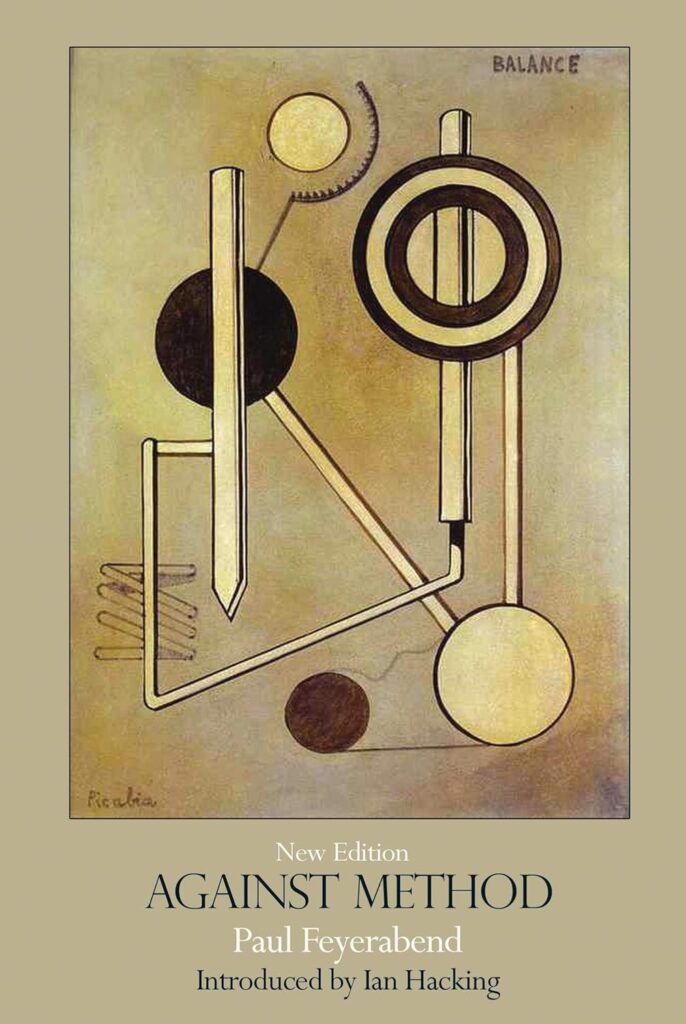 “Transitions.” Feyerabend’s work resonates with this theme as his seminal book “Against Method” is key to the transition from a philosophy of science that mostly discusses the rules of scientific method to challenging the existence and even desirability of such a method in scientific practice. This defining shift of perspective in the philosophy of science debate affected the traditional notion of science as the privileged form of knowledge, leading to an epistemological reassessment of knowledge, transitioning to one that offers new perspectives on how different forms of knowledge coexist in the modern world and why they should also be taken into account. By connecting the centennial conference to the Science Week, we aim to enhance interdisciplinary dialogue and promote a holistic understanding of transitions in knowledge, culture, and society.
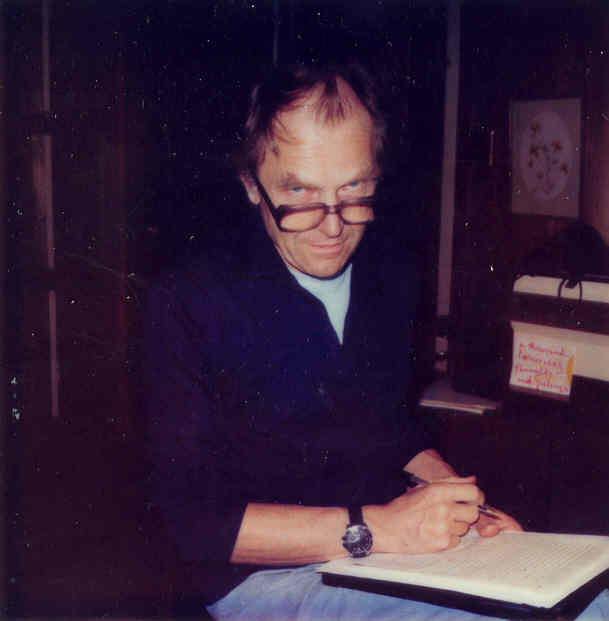 Paul Feyerabend (b.1924, d.1994), having studied science at the University of Vienna, moved into philosophy for his doctoral thesis, made a name for himself both as an expositor and (later) as a critic of Karl Popper’s “critical rationalism”, and went on to become one of the twentieth century’s most famous philosophers of science. An imaginative maverick, he became a critic of philosophy of science itself, particularly of “rationalist” attempts to lay down or discover rules of scientific method. (Stanford Encyclopedia of Philosophy https://plato.stanford.edu/entries/feyerabend/)
The P. Feyerabend Centennial
The P. Feyerabend centennial provides an opportunity to reflect on the legacy of a thinker who championed freedom, diversity, and a critical perspective in the philosophy of science. Feyerabend’s work continues to inspire scholars and thinkers across disciplines.
The Paul K. Feyerabend Foundation
The Paul K. Feyerabend Foundation promotes the empowerment and well-being of disadvantaged human communities. By strengthening intra and inter-community solidarity the Foundation strives to improve local capacities, promote the respect of human rights, and sustain cultural and biological diversity.
Honoring the Chaitins
Africa Business School, Rabat Campus, Thursday 18 January 2024
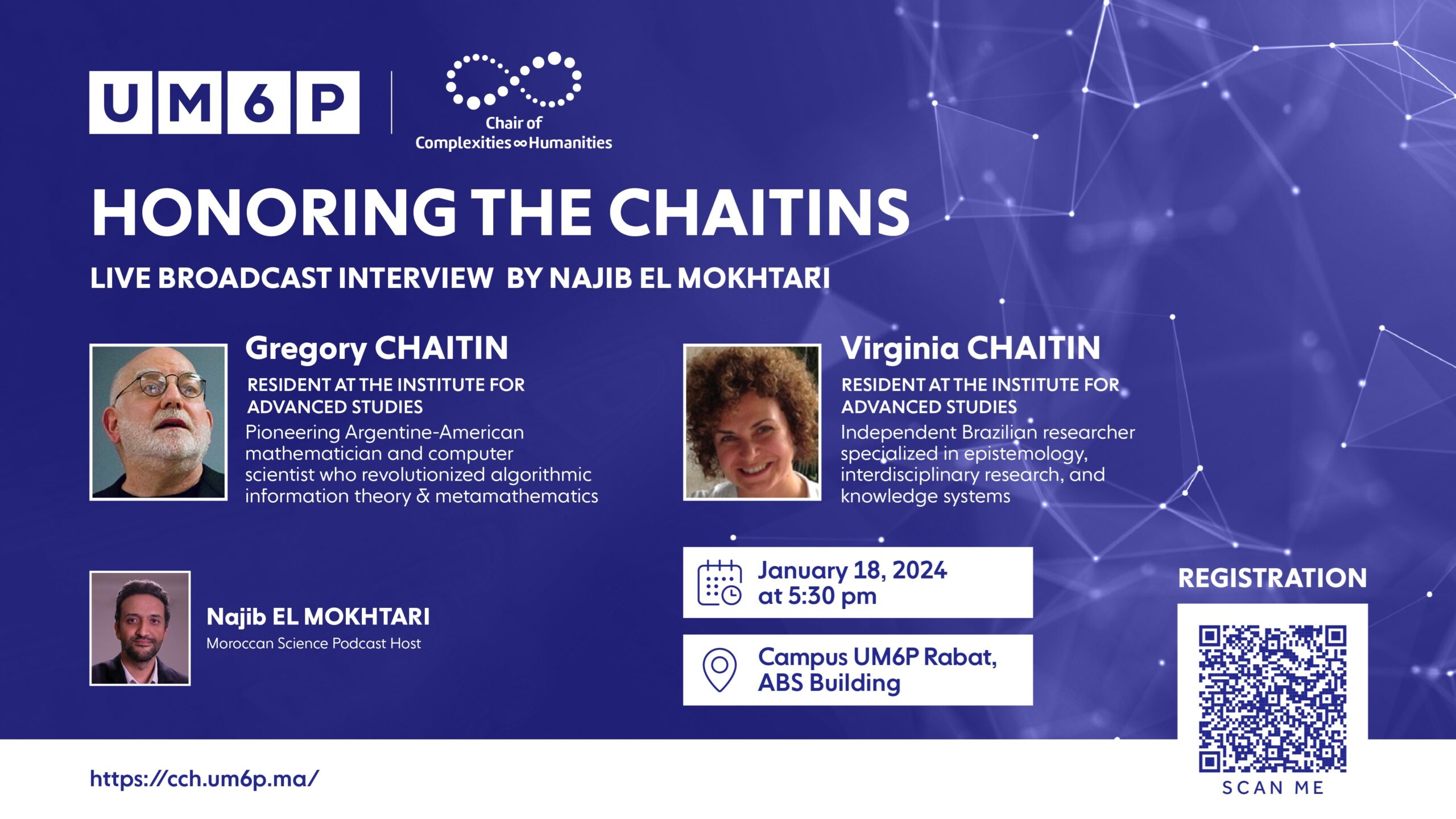
The Chair of Complexities ∞ Humanities is pleased to organize an event in Rabat to honor the work of an exceptional mathematician and computer scientist, Gregory Chaitin.

Gregory and his wife Virginia, a historian and philosopher of sciences, are residents at the UM6P Institute for Advanced Studies for the year 2023-24, bringing their scientific background and life experience to the UM6P community of students, faculty, and researchers. During this event in Rabat, we will have a live broadcast interview of Greg and Virginia, tracing their background, professional life, and research interests. The interview will be an opportunity to discover a fascinating mathematical and philosophical universe.
[click to enlarge]
Abstracts & Bios
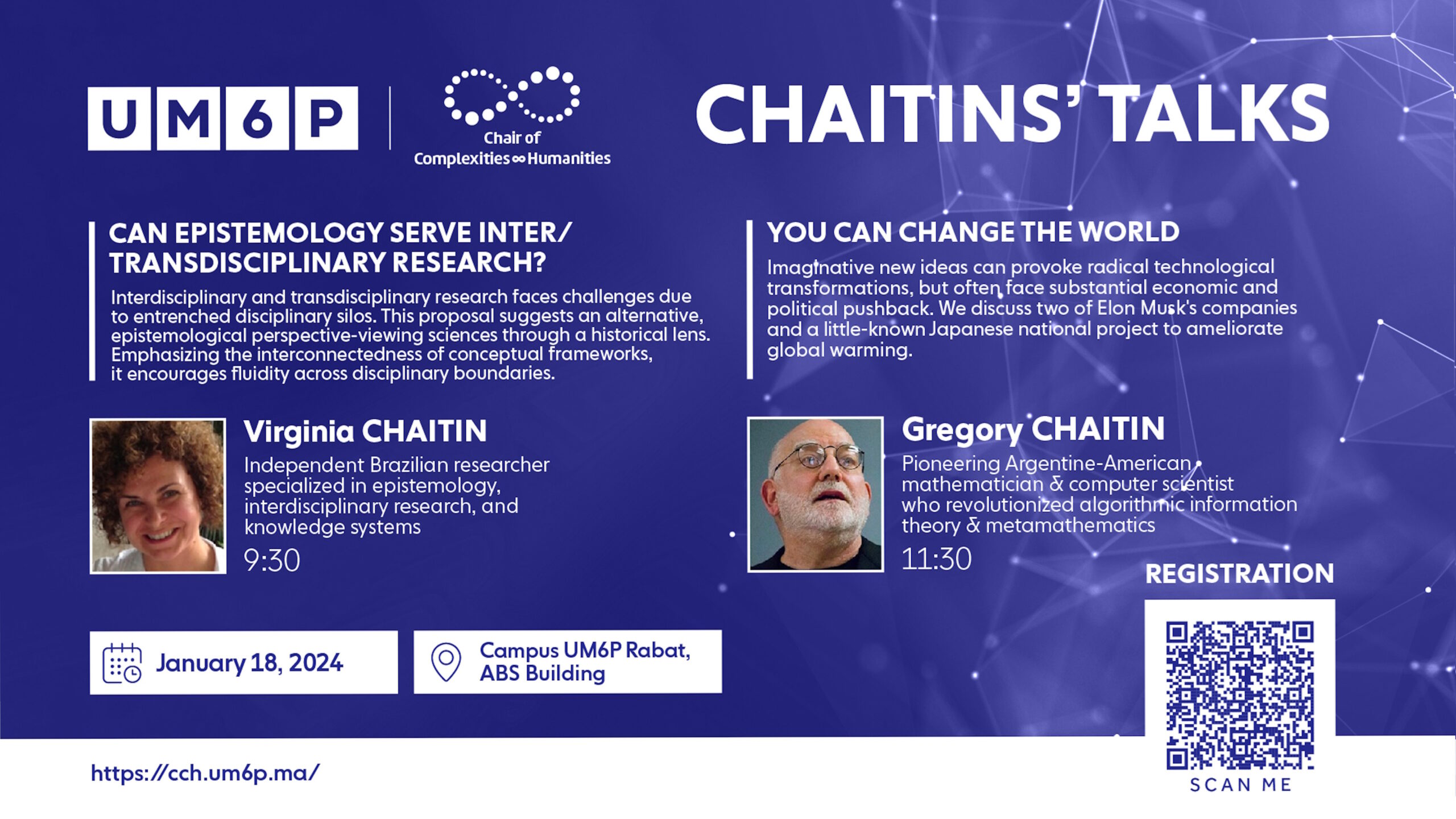
Virginia Chaitin. Can epistemology be helpful for inter and transdisciplinarity research?
Short Abstract
Interdisciplinary and transdisciplinary research (IDTR) as well as interdisciplinary and cross disciplinary team-projects are often seen as challenging because of traditional disciplinary silos in the academic and professional worlds. In spite of this, contemporary problems such as food security, water supply and disease control are inherently complex requiring interdisciplinary and often cross disciplinary approaches. Notwithstanding the growing number and need for IDTR teams in academic research, in business, as well as in the design of public policies, it is not uncommon to have considerable difficulty in convincing researchers and professionals to undertake this kind of approach in their projects. In order to facilitate the acceptance of IDTR in the academic realm, we propose an alternative, epistemological perspective. Let us view the sciences through the lens of a history of ideas in which different conceptual frameworks and methodologies organize into disciplines. We emphasize that disciplines and research areas are not isolated bodies of knowledge but conceptual networks that actually evolve together as part of the more general human quest for knowledge. Within our framework, disciplinary boundaries are in fact permeable and concepts can be made to cross these permeable disciplinary boundaries. We put forth the applicability of this epistemic perspective in facilitating IDTR.
 Virginia Chaitin is currently an independent researcher, and for the 2023/2024 academic year will be in residence at the Institute for Advanced Studies at the UM6P in Benguerir. Her current research topics are an epistemic evaluation of metabiology, epistemological criteria for inter and transdisciplinary research, different knowledge systems based on different forms of rationality, comparing and contrasting Paul Dirac’s and Paul Feyerbeand’s philosophy of science, and exploring the synergy between 20th century artistic movements and Feyerabend’s pluralistic philosophy. She is also working to organize the philosopher of science Paul K. Feyerabend Centennial 2024 events as a member of the International Steering Committee.
Virginia’s field is epistemology and she has proposed a methodology for interdisciplinary research involving mimetic (non-isomorphic) concept migration, and, in cases involving different systems of knowledge, multiple rationalities. For her post-doc at the UFRJ she applied her interdisciplinary methodology to the field of metabiology proposed by Gregory Chaitin.
She has a Doctoral Degree in the History of Science and Technology, and Epistemology – HCTE at the Federal University of Rio de Janeiro – UFRJ (2009), a Master’s Degree in Philosophy at the Pontificial Catholic University of Rio de Janeiro – PUC/RJ (2004) and in Logic and Scientific Method at the London School of Economics and Political Science – LSE (1995). Her Bachelor’s Degree is in Statistics at the University of Brasilia – UnB (1985).
https://independent.academia.edu/VirginiaChaitin
_________________________________
Gregory Chaitin. You can change the world
Abstract
Imaginative new ideas can provoke radical technological transformations, but often face substantial economic and political pushback. We discuss two of Elon Musk’s companies and a little-known Japanese national project to ameliorate global warming.
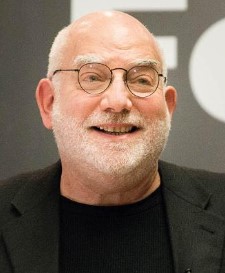 Gregory Chaitin, born in 1947, is an Argentine-American mathematician and computer scientist. From the late 1960s onward, he has made significant contributions to algorithmic information theory and metamathematics, including a notable result in computer theory analogous to Gödel’s incompleteness theorem. Chaitin, along with Andrei Kolmogorov and Ray Solomonoff, is viewed as one of the pioneers of the algorithmic complexity field, often referred to as Solomonoff-Kolmogorov-Chaitin complexity or program-size complexity. The emergence of algorithmic information theory as a core aspect of theoretical computer science, information theory, and mathematical logic owes much to the contributions of figures like Solomonoff, Kolmogorov, Martin-Löf, and Leonid Levin. This subject is frequently taught in computer science courses. Beyond just computer scientists, Chaitin’s research has garnered the interest of numerous philosophers and mathematicians, leading them to explore profound questions in mathematical innovation and digital philosophy.
Gregory Chaitin is author of Information, Randomness & Incompleteness (1987) Algorithmic Information Theory (1987) The Limits of Mathematics (1998), The Unknowable (1999), Exploring Randomness (2001), Meta Math!: The Quest for Omega (2005), Mathematics, Complexity and Philosophy (2011), Gödel’s Way (2012) and Proving Darwin: Making Biology Mathematical (2012).
_________________________________
Gregory and Virginia Chaitin: Against Method
Fashion is evil. Fight the system – or at least ignore it. A portrait of the prodigy mathematician and computer scientist Gregory Chaitin, who tries to invent a theory of creativity.
Documentary, 46 minutes, 2015
Director and Scenario : Karol Jalochowski
Casting: Gregory and Virginia Chaitin
History of contemporary violence
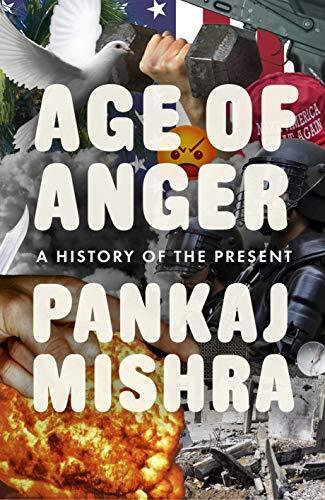 Book review by Reda Benkirane of Pankaj Mishra, The Age of Anger. A History of the Present, London, Allen Lane, 2017, by Reda Benkirane.
(Translation in English and Arabic by Samia Erraji of the article published in Le Monde, June 2022. )
In a striking mirror narrative, the Indian essayist Pankaj Mishra dissects peoples’ resentment since the 18th century and the “blindness” of the Enlightenment.
There is a grand narrative that serves as a global mirror in which all of humanity, caught in resentment, hatred, and violence, is able to confront itself. This mirror allows for a single introspective glance at what has been nourishing its identity crisis and self-destructive tendencies for two and a half centuries. The author of this grand narrative-mirror of peoples is an Indian writer, Pankaj Mishra. In a striking book, The Age of Anger, he offers a unified vision of various phenomena of hatred, radicalism, and violence. What he presents is the total opposite of the (famous theory of the clash of civilizations. What is often perceived as a rejection of Enlightenment and modernity is according to him, a reaction by Westernized individuals, subjugated by the use of political violence. A significant portion of the “Moderns,” on the one hand, is subject to mimetic rivalry, and, on the other hand, feels excluded or perceives itself as excluded from the promised world of a liberal and prosperous society, universal suffrage, citizen equality, human rights, educational advancement, and personal progress.
Since the French Revolution and the Reign of Terror (1793-1794), the Enlightenment initiated this era of anger and extremism. In its wake, new political assertions emerged throughout the 19th century, from nationalism to anarchism to terrorism, led by individuals living on the fringes of idyllic representations of enlightened reason, progress, and modernity. This continued into the following century, beyond Europe, as societies converged towards a shared destiny where various expressions of extreme identity were displayed, fantasizing and exalting race, ethnicity, nation, and religion in turn. According to this perspective, white supremacists, Hindu extremists, ultra-orthodox nationalists Jews, and current jihadists would be equivalent, expressing the same resentment behind their “similar differences” (Claude Lévi-Strauss). Similarly, the 2015 Bataclan massacre in Paris would be a nihilistic contemporary replication of the explosion at the Bellecourt Theatre in Lyon in 1882, targeted by anarchists wanting to “put an end to the bourgeoisie and commerce elite.” The shock of the September 11, 2001, attacks would resonate with countless anarchist bombings that beheaded a tsar, an empress, kings, princes, presidents, and prime ministers, especially at the turn of the 20th century. This grand narrative, a true introduction to Occidentalism, reveals the blindness of the Enlightenment and its dark side. It provides a unifying theoretical framework for a variety of cultures swept along since the 18th century by the vortex of capitalism and the market society, while political violence fascinates and delights the excluded and the marginalized, produced as scientific, technical, industrial, and digital breakthroughs occur.
Negative interdependence
The author, hailing from a village in rural India, has seen, read, and understood all about vibrant globalism. His argument proceeds from a literary analysis of Italian, German, Russian, Indian, Iranian, Arab, and other novelists, and poets. Everything begins and ultimately returns to the fundamental divergence between two philosophers, Voltaire, and Rousseau, regarding the stance to adopt towards a commercial relationship with society and the world. Following Rousseau, Nietzsche, Dostoevsky, and many others would thematize loss and self-dispossession. The history of hatred, violence, and mass terror is, therefore, the veiled and unspoken face of a sanitized history of Western modernity that has only retained the consecrated and talismanic narrative of the market society, parliamentary democracy, and human and citizen rights. Today’s violence and terrorism represent, in essence, one among a series of “shocks of modernity.” In the 19th century, nihilistic and anarchist violence manifested the “negative solidarity” (a term used by Hannah Arendt to describe mass movements characterized by a lack of “political responsibility,” “isolationist nationalism,” or “desperate rebellion”) that spread throughout Europe and beyond, generating world wars, genocides, and colonial massacres. Now, negative interdependence and the shocks of a hypertrophied modernity affect billions of individuals in Africa and Asia, with neither traditional social, political, and economic structures – long collapsed – nor any welfare state capable of absorbing them. We are, at this very moment in the history of the global village or the planetary vessel called Titanic, between a surge of hatred, wars, and impending bioclimatic disasters.
Reda Benkirane

Le Monde des Livres, 16 juin 2022 (lemonde.fr/pdf)
Dans un récit-miroir saisissant, l’essayiste indien Pankaj Mishra autopsie le ressentiment des peuples depuis le XVIIIe siècle et « l’aveuglement » des Lumières.
A propos de Pankaj Mishra, L’Age de la colère – une histoire du présent, traduit de l’anglais par Dominique Vitalyos, Paris, éditions Zulma, 2022.
Il est un Grand Récit qui, construit pour une part sur le ressentiment, la haine et la violence, constitue un miroir planétaire où toute l’humanité est en mesure de se voir en face. Ce miroir permet de saisir d’un seul regard introspectif ce qui nourrit, depuis deux siècles et demi, son désarroi identitaire et son autodestruction immunitaire.
L’auteur de ce Grand Récit-miroir des peuples est un écrivain indien, Pankaj Mishra. Dans un livre saisissant, il propose une vision unifiée des divers phénomènes de haine, radicalité et violence. Ce qu’il expose est tout à l’opposé de la fameuse/fumeuse théorie du clash des civilisations. Ce qui est souvent perçu comme un rejet des Lumières et de la modernité est en réalité une réaction d’individus occidentalisés, subjugués par le recours à la violence politique. Une part notable des « Modernes », d’un côté, est en proie à une rivalité mimétique et, de l’autre, se trouve ou se perçoit exclue de la promesse publicitaire de société libérale et prospère, de suffrage universel, d’égalité citoyenne et de droits humains, de promotion éducative et d’avancement personnel.
Depuis la Révolution française et dès le règne de la Terreur (1793-1794), les Lumières inaugurèrent également l’ère de la colère et de l’extrémisme. Dans leurs sillages, de nouvelles expressions politiques émergèrent tout au long du XIXème siècle, du nationalisme à l’anarchisme en passant par le terrorisme, conduits par des individus vivant aux marges de la fresque pastorale sur la raison éclairée, le progrès et la modernité. Ceci se poursuivit le siècle suivant, au-delà de l’Europe, les sociétés convergeant vers un même devenir où se donnèrent à voir différentes expressions d’outrance identitaire, fantasmant et magnifiant tour à tour la race, l’ethnie, la nation, la religion.
Selon cette perspective, les suprématistes blancs, hindouistes, juifs, les djihadistes actuels s’équivaudraient et exprimeraient un même ressentiment derrière leurs « différences qui se ressemblent » (Claude Lévi-Strauss). Pareillement, le massacre du Bataclan à Paris en 2015 serait la réplique nihiliste actualisée de l’explosion du théâtre Bellecour de Lyon en 1882 par des anarchistes voulant « en finir avec la fine fleur de la bourgeoisie et du commerce ». La sidération des attaques du 11 septembre 2001 serait en résonance avec celle d’innombrables attentats anarchistes qui décapitèrent, entre deux siècles, notamment un tsar, une impératrice, des rois et des princes, des présidents et des premiers ministres.
Ce Grand Récit, véritable introduction à l’occidentalisme, révèle l’aveuglement des Lumières et leur versant sombre. Il constitue une théorie de grande unification d’une variété de cultures emportées depuis le XVIIIème siècle par le vortex du capitalisme et de la société marchande, tandis que la violence politique fascine et ravit les exclus et déclassés produits au fur et à mesure des fulgurations scientifiques, techniques, industrielles et numériques.
Interdépendance négative
L’auteur, issu d’un village de l’Inde profonde, a tout vu, lu et su de la mondialité effervescente. Sa démonstration procède d’une analyse littéraire de romanciers et poètes italiens, allemands, russes, indiens, iraniens, arabes, etc. Tout commence et retourne finalement à la divergence de fond entre deux philosophes, Voltaire et Rousseau, sur l’attitude à adopter vis-à-vis d’un rapport commercial à la société comme à l’être-au-monde. A la suite de Rousseau, Nietzsche et Dostoïevski, bien d’autres thématiseront le sentiment de perte et de dépossession de soi.
L’histoire de la haine, de la violence et de la terreur de masse serait donc la face voilée et impensée d’une histoire aseptisée de la modernité occidentale n’ayant retenu que le récit consacré et talismanique de la société de marché, de la démocratie parlementaire, des droits de l’homme et du citoyen. La violence et le terrorisme d’aujourd’hui représentent une série parmi d’autres de « chocs de modernité ». Au XIXème siècle, la violence nihiliste et anarchiste mettait en acte la « solidarité négative » (Hannah Arendt) répandue dans toute l’Europe puis au-delà, générant guerres mondiales, génocides, carnages coloniaux. Désormais, l’interdépendance négative et les chocs d’une modernité hypertrophiée affectent des milliards d’individus d’Afrique-Asie, sans que les structures sociales, politiques et économiques traditionnelles – effondrées depuis longtemps – ni aucun État-providence, puissent être en mesure de les absorber. Nous serions à cet instant précis de l’histoire du village global ou du vaisseau planétaire appelé Titanic, entre un semblant de haine et guerre civiles et la vraisemblance de catastrophes bioclimatiques.
Réda Benkirane
مراجعة رضا بنكران لعمل بانكاج ميشرا: «عصر الغضب: تاريخ الحاضر»، لندن: ألن لين، 2017.
ترجمة سامية الراجي عن المقال المنشور في صحيفة لوموند (يونيو 2022).
في سردٍّ عاكس مذهل، يقوم الكاتب والمفكر الهندي بانكاج ميشرا بتشريح مشاعر السخط لدى الشعوب منذ القرن الثامن عشر، ويفضح “عمى” عصر التنوير.
عن بانكاج ميشرا، عصر الغضب – تاريخ للحاضر، ترجمة دومينيك فيتاليوس، باريس، دار زولما للنشر، 2022.
هناك سردٌ كبير بُني جزئيًا على الحقد والكراهية والعنف، يشكّل مرآة كونية ترى فيها الإنسانية جمعاء وجهها الحقيقي. هذه المرآة تتيح نظرة تأملية واحدة لفهم ما غذّى، طوال قرنين ونصف، ضياع الهوية الإنسانية وتدميرها الذاتي.
مؤلف هذا السرد الكبير الذي يعكس حال الشعوب هو الكاتب الهندي بانكاج ميشرا. في كتابه اللافت، يقدم رؤية موحدة لمظاهر الكراهية والتطرف والعنف المختلفة. وما يطرحه يناقض تمامًا النظرية الشهيرة: صدام الحضارات. فغالبًا ما يُفهم رفض التنوير والحداثة كرفض للفكر الغربي، لكنه في الحقيقة ردّ فعل من أفراد متأثرين بالغرب، مفتونين باستخدام العنف السياسي. فجزء من “الحداثيين”، من جهة، يعيش صراعًا تقليديًا قائمًا على التقليد والمنافسة، ومن جهة أخرى يشعر أو يرى نفسه مستبعدًا من وعود المجتمع الليبرالي المزدهر القائم على الاقتراع العام والمساواة في المواطنة وحقوق الإنسان والتعليم والتقدم الشخصي.
منذ الثورة الفرنسية وعهد الإرهاب (1793–1794)، دشّن عصر التنوير أيضًا عصر الغضب والتطرف. وفي أعقابه ظهرت تيارات سياسية جديدة خلال القرن التاسع عشر، من القومية إلى الفوضوية وصولًا إلى الإرهاب، قادها أفراد يعيشون على هامش الصورة المثالية للعقل والتقدم والحداثة. واستمر ذلك في القرن التالي، خارج أوروبا أيضًا، إذ اتجهت المجتمعات نحو مصير واحد تجلت فيه أشكال مختلفة من المبالغة في الهوية، ممجّدة السلالة، العرق، الأمة والدين.
وفق هذا المنظور، فإن دعاة تفوق العرق الأبيض والهندوس المتطرفين واليهود المتشددين والجهاديين المعاصرين يُعَدّون متكافئين في نظرهم ويعبّرون جميعًا عن السخط ذاته الكامن وراء «اختلافاتهم المتشابهة» (كلود ليفي-شتروس). وبالمثل، فإن مجزرة قاعة باتاكلان في باريس عام 2015 هي النسخة العدمية الحديثة لتفجير مسرح بيلكور في ليون عام 1882، الذي نفذه فوضويون أرادوا “القضاء على نخبة البرجوازية والتجارة”. أما صدمة هجمات 11 سبتمبر 2001 فتتردد أصداؤها مع موجات الاغتيالات الفوضوية التي أودت، بين قرنين، بحياة قيصر، إمبراطورة، ملوك وأمراء، رؤساء دول وحكومات.
هذا السرد الكبير، الذي يشكل مقدمة حقيقية لفهم فكرة “ الاستغراب” (أي النظر إلى الغرب من منظور الشعوب الأخرى)، يكشف عمى عصر التنوير وجانبه المظلم. وهو أشبه بنظرية توحيد كبرى لثقافات متعددة جرفتها منذ القرن الثامن عشر دوامة الرأسمالية والمجتمع التجاري، في وقت ظل فيه العنف السياسي مصدر سحر وجذب للمستبعدين والمهمّشين الذين خلقتهم الثورات العلمية والتقنية والصناعية والرقمية المتسارعة.
الترابط السلبي
الكاتب المنحدر من قرية في أعماق الهند، اطّلع على كل ما يتعلق بالعالمية المتفجرة، وقرأ وعرف تجلياتها المختلفة. يقوم عرضه التحليلي على قراءة أدبية لأعمال روائيين وشعراء من إيطاليا وألمانيا وروسيا والهند وإيران والعالم العربي، وغيرهم. تبدأ الفكرة وتنتهي عند الخلاف الجوهري بين فيلسوفين هما فولتير وروسو، حول الموقف الذي ينبغي اتخاذه تجاه العلاقة التجارية بالمجتمع وبالوجود الإنساني نفسه. وعلى خطى روسو ونيتشه ودوستويفسكي، تناول كثيرون من بعدهم موضوع الإحساس بالفقدان وسلب الذات.
إن تاريخ الكراهية والعنف والإرهاب الجماعي هو الوجه الخفي وغير المفكَّر فيه من تاريخ الحداثة الغربية المنقّى، الذي لم يحتفظ إلا بالرواية المعتمدة والسحرية عن المجتمع التجاري، الديمقراطية البرلمانية وحقوق الإنسان والمواطن. فالعنف والإرهاب في أيامنا هذه ليسا سوى سلسلة أخرى من «صدمات الحداثة».
في القرن التاسع عشر، جسدت العدمية والفوضوية ما سمّته حنّة أرندت «التضامن السلبي»، الذي انتشر في أنحاء أوروبا ثم خارجها، مولّدًا الحروب العالمية والإبادات الجماعية والمجازر الاستعمارية. واليوم، تؤثر الترابطية السلبية وصدمات الحداثة المتضخّمة في مليارات الأفراد في إفريقيا وآسيا، دون أن تكون البُنى الاجتماعية والسياسية والاقتصادية التقليدية – التي انهارت منذ زمن – أو أي دولة الرفاهية قادرة على استيعابها.
إننا نقف في هذه اللحظة الدقيقة من تاريخ القرية العالمية أو سفينة الكواكب المسماة تيتانيك، بين مظهر من مظاهر الكراهية والحروب الأهلية المحتملة، واحتمال وقوع كوارث بيئية ومناخية كبرى.
رضا بنكران