Scientific research, excellence in education, and the dissemination of knowledge are at the core of UM6P’s missions. In this context, the UM6P Science Week is an annual event centered around a recurring theme: “At the Frontiers of Science.”
The UM6P Science Week revolves around a central, transdisciplinary colloquium, complemented by keynote lectures, reading circles, exhibitions, and more.
The ambition of this major event in the academic year is to place UM6P on the global knowledge map by showcasing the latest advances in the disciplines studied at UM6P. Distinguished speakers, gathered in Benguerir, engage in discussions with students with the aim of sharing, stimulating, and breaking down knowledge barriers.
While primarily organized for UM6P students, the Science Week also aims to equip students with the tools to think critically, question the world, and transcend disciplinary boundaries, in line with the ethos of a polytechnic university.
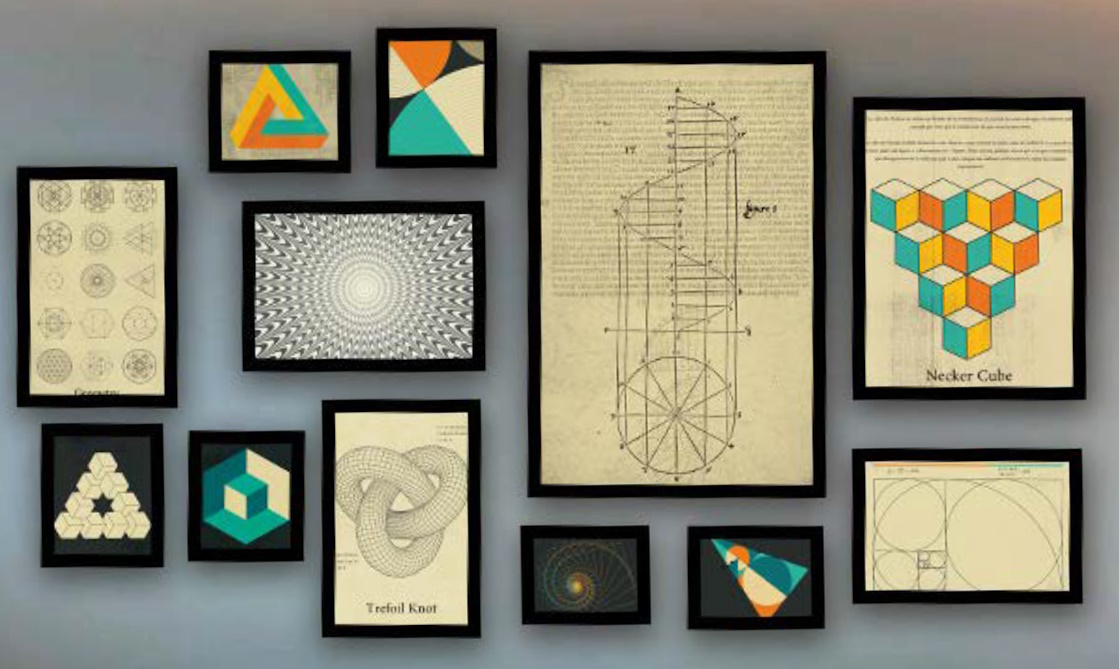
Welcome to the “Library” section of the Chair of Complexities ∞ Humanities where you will find a range of meticulously researched books and thought-provoking articles. We invite you to explore these publications at the crossroads of complexity science and the humanities, as we delve deep into the intricate tapestry of human existence. These works reflect our commitment to sharing knowledge and offering fresh perspectives on the complexities that define our world.
Conférence inaugurale, 1ère édition de la Semaine de la Science, Aux frontières de la science
UM6P, Benguerir, 1er novembre 2021
Préambule de Saâd Tazi et Fouad Laroui Benguerir
Présentation (français, anglais et arabe) de Hind Aboulazm
Reda Benkirane, sociologue basé en Europe, s’est intensément intéressé à l’islam, en particulier après les événements du 11 septembre 2001. Il a écrit sur la jeunesse musulmane, s’inspirant de ses observations dans divers pays du Maghreb, du Machreq et du Sahel. Benkirane souligne la nécessité d’une refondation de la rationalité en islam, en réponse aux défis contemporains et aux perceptions souvent négatives de l’islam en Occident. Il met en avant l’importance de la quête de science dans l’islam (plutôt que la quête de sens qui traduit selon lui une crise identitaire), rappelant la riche histoire intellectuelle de la pensée islamique. Benkirane a également initié des espaces de recherche et de dialogue sur l’islam contemporain, abordant des sujets sensibles comme le rôle des femmes, celui des penseurs critiques, les rapports au pouvoir et au savoir, la politisation de l’islam et la radicalité religieuse. Il critique la rationalité matérialiste actuellement prégnante de l’islam, en particulier celle issue des pays de la rente pétrolière, et plaide pour une approche plus éclairée.
Hind Aboulazm
Reda Benkirane, a sociologist based in Europe, has shown a deep interest in Islam, particularly after the events of September 11, 2001. He has written about Muslim youth, drawing from his observations in various countries across the Maghreb, the Mashreq, and the Sahel. Benkirane emphasizes the necessity for a reformation of rationality within Islam, in response to contemporary challenges and the often negative perceptions of Islam in the West. He highlights the importance of the pursuit of knowledge in Islam (rather than the pursuit of meaning, which he believes reflects an identity crisis), recalling the rich intellectual history of Islamic thought. Benkirane has also initiated spaces for research and dialogue on contemporary Islam, addressing sensitive topics such as the role of women, that of critical thinkers, relationships with power and knowledge, the politicization of Islam, and religious radicalism. He critiques the currently prevailing materialist rationality within Islam, especially that stemming from oil-rich countries, advocating for a more enlightened approach.
HA
رضا بنكيران، سوسيولوج مقيم في أوروبا، أظهر اهتمامًا عميقًا بالإسلام، خاصةً بعد أحداث 11 سبتمبر 2001. كتب عن الشباب المسلم، مستندًا إلى ملاحظاته في الجزائر، ولبنان، ومصر. يشدد بنكيران على ضرورة إعادة تأسيس العقلانية في الإسلام، ردًا على التحديات المعاصرة والتصورات السلبية المتكررة للإسلام في الغرب. يبرز أهمية البحث عن العلم في الإسلام، مشيرًا إلى التاريخ الفكري الغني للفكر الإسلامي. كما بدأ بنكيران في إنشاء مساحات للبحث والحوار حول الإسلام المعاصر، متناولًا موضوعات حساسة مثل دور المرأة. ينتقد الرؤية الحالية للإسلام، خاصة في الدول الغنية بالنفط، ويدعو إلى نهج أكثر إلمامًا. ويُشدد على ضرورة إصلاح عميق لجعل الدين أكثر ملاءمة لتحديات القرن الواحد والعشرين، مع الاحترام لتنوعه وتعبيراته المختلفة عالميًا.
هند أبو العزم
The Chair’s experimental societal laboratory is intended to be a factory of ideas and knowledge. As such, it welcomes apprentice researchers and doctoral candidates capable of establishing links between techno-scientific and societal innovations, intervening to solve practical managerial and organizational problems, connecting engineering to ingenuity (ingenium), and developing experimental research within the university’s ecosystem as well as its local, national, and international environments. Young researchers are encouraged to focus on micro-projects with a strong societal orientation and an interest in emerging forms of innovation produced outside academic and industrial environments. Through local field studies, lab members identify potential “situations” before engaging with them through specific activities of identification, evaluation, research, and innovation.
Young researchers are encouraged to work primarily on “situations” directly related to their living and learning environment, UM6P. This aims to enhance its qualitative dimension, improve or create certain services, promote the autonomy and responsibility of its residents and users, facilitate the expression of alternative cultures and knowledge, or encourage their capacity for self-organization as a learning community.
The Laboratory also serves as a privileged space for studying the articulations of various regimes of sciences, techniques, knowledge, and practices prevalent in the social contexts of Morocco and Africa. Some of the questions addressed by laboratory researchers include:
To fully engage in the management of complexity and foster collective, cognitive, and connective intelligence, the Laboratory provides its researchers with the means to connect to the extensive research networks that are similarly engaged in work on new knowledge producers.
The Research Laboratory is a mobile device that bridges the various poles of UM6P.
__________________________________
Le laboratoire sociétal expérimental de la Chaire se veut une fabrique des idées et des savoirs. A ce titre, il accueille des apprentis chercheurs et doctorants aptes à travailler à la mise en lien des innovations technoscientifiques et sociétales, à intervenir pour résoudre des problèmes pratiques managériaux et organisationnels, à relier l’ingénierie à l’ingéniosité (ingenium) et à développer une recherche expérimentale au sein de l’écosystème de l’université et de ses environnements local, national et international. Les jeunes chercheurs sont encouragés à se focaliser sur des micro-projets avec une forte orientation sociétale et un intérêt pour les formes ascendantes et croissantes d’innovation, produites en dehors des milieux universitaires et industriels. Sous la forme d’enquêtes de proximité, les membres du Laboratoire identifient des «situations» potentielles avant de s’en saisir et de s’y impliquer au travers d’interventions et d’activités spécifiques de repérage, d’évaluation, de recherche et d’innovation.
Les jeunes chercheurs sont encouragés prioritairement à travailler sur des «situations » en lien direct avec leur milieu de vie et d’apprentissage, l’UM6P, pour renforcer sa dimension qualitative, améliorer ou créer certains services, favoriser l’autonomie et la responsabilité de ses habitants et usagers, permettre l’expression de cultures et savoirs alternatifs et d’arts divers, ou encourager leur capacité d’auto-organisation en tant que communauté estudiantine apprenante.
Le Laboratoire se veut également un espace privilégié d’études des articulations des divers régimes de sciences et techniques, savoirs et pratiques prévalant dans les milieux sociaux du Maroc et d’Afrique. Certaines des questions abordées par les chercheurs du Laboratoire incluent notamment:
Afin de s’inscrire pleinement dans les processus de gestion de la complexité et d’animation de l’intelligence collective, cognitive et connective, le Laboratoire donne à ses chercheurs les moyens de se relier aux vastes réseaux de recherche qui développent pareillement des travaux sur les nouveaux producteurs de savoirs.
Le Laboratoire de recherche est un dispositif nomade faisant le lien entre les différentes pôles de l’UM6P.
__________________________________
المختبر الاجتماعي التجريبي للكرسي يهدف إلى أن يكون مصنعًا للأفكار والمعرفة. وفي هذا السياق، يستضيف الباحثين المبتدئين والطلاب الدكاترة القادرين على العمل على ربط الابتكارات التكنولوجية والاجتماعية والتدخل في حل المشاكل الإدارية والتنظيمية العملية، وربط الهندسة بالإبداع (ingenium *) وتطوير البحث التجريبي ضمن نظام الجامعة وبيئاتها المحلية والوطنية والدولية. يتم تشجيع الباحثين على التركيز على مشاريع صغيرة مع التوجه الاجتماعي القوي والاهتمام بأشكال الابتكار الصاعدة والمتزايدة التي تنتج خارج البيئات الجامعية والصناعية. في شكل استطلاعات قريبة، يحدد أعضاء المختبر “المواقف” المحتملة قبل أن يتخذوا إجراءات محددة لاستكشافها، وتقييمها وبحثها وابتكارها.
يتم تشجيع الباحثين الشبان والشابات بشكل أساسي على العمل على “المواقف” المرتبطة مباشرة ببيئتهم الحياتية والتعليمية، جامعة محمد السادس متعددة التخصصات، من أجل تعزيز بعدها النوعي، وتحسين أو إنشاء بعض الخدمات، وتعزيز استقلالية ومسؤولية سكانها ومستخدميها، وتمكين التعبير عن الثقافات والمعرفة البديلة والفنون المتنوعة، أو تعزيز قدرتهم على التنظيم الذاتي كمجتمع طلابي يتعلم.
المختبر يهدف أيضًا إلى أن يكون مكانًا متميزًا لدراسة تواصل أنظمة العلوم والتقنيات والمعرفة والممارسات المختلفة التي تسود في البيئات الاجتماعية في المغرب وإفريقيا. تشمل بعض الأسئلة التي يتناولها الباحثون في المختبر على وجه الخصوص:
– تحسين العلاقات بين مختلف جوانب واقعنا الاجتماعي، بما في ذلك الحياة الريفية والحضرية.
– التعامل اليومي مع قضايا التعليم والصحة والبيئة في المجتمع القروي، والمنطقة الصناعية، والمدينة التاريخية، والمدينة الضاحية، والإسكان الاجتماعي.
– إنشاء المعرفة حول الإسكان والصحة والتعليم، والخدمات، والصناعات، والبيئة.
– تحسين تعلم الفنون والحرف والتعليم العالي في بيئات اجتماعية هشة أو غير متكاملة أو على هامشها.
– تكوين المعرفة التقليدية وكيفية ربط هذه المعرفة الأفقية والشبكية بالعلوم والتقنيات المنتجة والمشروعة من قبل الجامعة والصناعة.
– مسألة العقبات والعوائق أمام التعاون في إنتاج المعرفة والتقنيات والممارسات، بالإضافة إلى التعلم المختلط لمعالجة المشكلات.
من أجل المشاركة الكاملة في عمليات إدارة التعقيد وتنشيط الذكاء الجماعي والعقلي والتواصلي، يمنح المختبر للباحثين وسائل للربط بشبكات البحث الواسعة التي تعمل بنفس القدر على العمل في مجال الإنتاج الجديد للمعرفة وعلاقاتها بين مختلف أنظمة العلوم والممارسات.
المختبر البحثي هو جهاز متنقل يربط بين مختلف أقسام جامعة محمد السادس متعددة التخصصات.